Post: Chiropractic Care and Inflammation

Learn more about how your body works

How Chiropractic Care Addresses Inflammation:

Chiropractic care takes a full-body approach to reducing inflammation. Instead of treating symptoms, chiropractors look at how your body moves, how well your joints are functioning, and how the nervous system responds to stress and injury. When certain joints or tissues aren’t moving well, it can place an extra load on other parts of the body. Over time, this can lead to inflammation that doesn’t go away.

Chiropractors use specific, gentle techniques to help restore better movement and reduce tension in areas under strain. When the body moves more efficiently, it can calm the inflammatory process and begin to heal. Studies in the Annals of Vertebral Subluxation Research have shown that chiropractic care can lower levels of inflammation-related proteins in the blood, proof that the body responds positively to these treatments.

30 sec takeaway

Inflammation is your body’s natural reaction to injury or stress, helping it heal and protect itself. However, long-term inflammation can lead to ongoing pain and limit how well you move and function. Chiropractic care offers a non-invasive, hands-on approach to managing inflammation and supporting recovery. Research has shown that chiropractic treatments can reduce inflammatory markers in the body. Many patients move through a journey from intense pain to improved function and long-term wellness by receiving consistent care. In this blog, we’ll explore how chiropractic care helps manage inflammation and the typical healing journey.

Male chiropractor giving back massage to female patient

Chiropractic Techniques for Reducing Inflammation:

There’s no single solution when it comes to treating inflammation. Chiropractors use a range of techniques tailored to the patient’s needs.

One common approach is joint mobilisation or manipulation, which involves applying a gentle, controlled force to joints that aren’t moving well. This helps improve range of motion and can reduce tension in surrounding muscles and tissues. It also sends signals to the nervous system that may help relieve pain and calm the body’s stress response.

Another important technique is soft tissue therapy, where chiropractors work directly on muscles, tendons, and fascia. This can ease muscle tightness, improve circulation, and help remove built-up inflammatory chemicals from the affected areas.

In many cases, rehabilitation exercises are also introduced. These exercises are designed to strengthen weak areas, increase flexibility, and improve how your body handles daily movement. Research in the Journal of Manipulative and Physiological Therapeutics supports combining hands-on treatment with movement therapy to best manage inflammation.

The Role of the Nervous System in Inflammation Management:

Your nervous system plays a massive role in how inflammation is controlled in the body. It helps decide when to trigger inflammation, and just as importantly, when to stop it. Suppose the nervous system isn’t working efficiently. In that case, the body may hold on to inflammation for longer than needed, causing ongoing discomfort or stiffness.

Chiropractic care helps support nervous system function by improving how joints and muscles move and how the body responds to mechanical stress. This can lead to more balanced communication between the brain and the rest of the body. A study published in the Journal of Physical Therapy Science found that patients who received chiropractic treatment showed improvements in nervous system activity and better regulation of inflammation.

Chiropractic care supports the body’s natural healing abilities by helping the nervous system perform at its best. It doesn’t force the body to heal—it gives it the tools to do what it already knows how to do.


Nutrition and Lifestyle Factors in Inflammation:

Inflammation isn’t just about what’s going on in your joints or muscles. What you eat, how you sleep, how active you are, and how you manage stress all play a part in how much inflammation is in your body.

Chiropractors often advise on simple, effective lifestyle changes to support your recovery. Eating more anti-inflammatory foods—like green leafy vegetables, berries, salmon, and nuts—can make a noticeable difference. Cutting back on processed sugar, refined carbs, and unhealthy fats can also help reduce the burden of inflammation.

Other helpful habits include getting regular sleep, managing daily stress, and staying physically active in ways that support rather than stress your body. According to research in the Australasian Chiropractic and Osteopathy Journal, patients who follow lifestyle recommendations and receive chiropractic care experience better outcomes and longer-lasting relief.

Fruit and Vege on a timber chopping board. The Wellbean Nutritionist helps us with nutrition advice.

The Healing Journey: Stage One – Pain Phase

The first stage of chiropractic care is called acute care. This is when most patients first seek help, often because the pain, swelling, or stiffness has become too much to handle.

During this stage, the goal is to reduce inflammation and manage pain as quickly and effectively as possible. Chiropractors begin with a full assessment of how your body is moving and where the inflammation seems to be coming from. This may include simple tests, checking your posture, and asking detailed questions about your symptoms and health history.

Treatment is often more frequent during this stage—sometimes a few visits per week—because the body is more reactive. The aim is to support the body as it calms the inflammatory process and begins to feel more comfortable. Many people report feeling improvement within the first few sessions, though the speed of recovery can vary depending on the severity of the condition.

Adult guy suffering from stomach or ribs pain ache. Health problems and issues concept.

The Healing Journey: Stage Two – Movement Phase

Once the initial pain and inflammation have settled down, the next phase is the movement phase. This stage focuses on improving how your body moves and functions, not just treating the symptoms. It’s about fixing the deeper patterns that may have contributed to your pain in the first place.

In this phase, treatments usually become less frequent. Instead of coming in multiple times per week, most people come once a week or once every two weeks, depending on their progress. The chiropractor will continue using hands-on techniques, but will often start adding more rehabilitation exercises to build strength, balance, and flexibility.

The goal is to make sure your body doesn’t slip back into old habits that might cause inflammation to return. You may work on improving posture, correcting movement patterns, or strengthening areas that were previously under strain.

Research published in the Chiropractic Journal of Australia has shown that this stage is essential for long-term results. If treatment stops too soon, right after the pain goes away, there’s a higher chance the problem will return. The Movement Phase helps set a stronger foundation so you can confidently move into the next stage of healing.

Fun exercises as part of rehab. Father and daughter doing squats in rock climbing gym

The Healing Journey: Stage Three – Life Phase

The final stage of chiropractic care is known as the Life Phase. By this point, most inflammation and discomfort have improved or completely resolved. The focus now shifts to maintaining your progress and preventing future flare-ups.

This doesn’t mean you need to visit the chiropractor forever or constantly. For many people, this stage involves a visit once a month, or even less, depending on their needs and lifestyle. These occasional check-ins help catch small issues early, before they become big problems again.

During these visits, chiropractors may continue with adjustments and soft tissue work, but they also check how your body is adapting to daily life. Are you sitting all day at work? Training for a sport? Dealing with more stress than usual? These factors all play a role in how your body feels, and wellness care helps keep everything in check.

According to a study in the Journal of Manipulative and Physiological Therapeutics, patients who continued with regular Life Phase care had fewer relapses and reported a better overall quality of life. They also showed lower levels of inflammation over time compared to those who stopped care once the pain was gone.

Suffering from inflammation?

Let us help you with tailor-made care designed for you

Research Supporting Chiropractic for Inflammation:

Chiropractic care has been practised for over a century, but modern research is now helping explain how and why it works, especially when it comes to inflammation. Scientific studies are showing that chiropractic treatment can affect the body on a deeper, biological level, not just the muscles and joints.

For example, a 2021 review published in the Journal of Chiropractic Medicine looked at 15 different studies focused on chiropractic care and inflammation. The review found consistent results: patients who received chiropractic treatment showed reduced levels of inflammatory markers in their blood and reported less pain compared to those who didn’t receive care.

Another interesting study from the University of Sydney followed patients over 12 weeks of chiropractic care. They found that these patients had a 20% reduction in C-reactive protein (CRP)—a key marker for inflammation—when compared to a control group that received no treatment.

Research published in the journal Spine also found that chiropractic adjustments could influence the levels of cytokines in the body. These are the chemical messengers that trigger inflammation. The study showed that specific techniques helped lower pro-inflammatory cytokines while increasing the ones that help calm and repair tissue.

These findings suggest that chiropractic care doesn’t just feel good—it may actually help reset the body’s response to injury, stress, and irritation. While more research is still being done, current studies are helping explain the real, measurable effects of hands-on treatment on inflammation and healing.

Group doing a yoga class. Warrior pose to stretch lower back and legs. Arms abducted to work shoulders

Conclusion: The Journey to Reduced Inflammation

The path from chronic inflammation to long-term wellness isn’t always quick, but it’s definitely worth it. With the right support, your body has an incredible ability to heal. Chiropractic care offers a natural, hands-on approach that doesn’t just focus on pain relief—it works to improve how your entire body functions.

From calming inflammation in the early stages to correcting movement issues and maintaining progress through wellness care, chiropractic treatment supports the body every step of the way. Backed by growing research and patient experiences, it’s becoming a trusted option for those looking to avoid medication or surgery while still addressing the root of their pain.

If you’re dealing with inflammation that won’t go away, it might be time to explore what chiropractic care can do for you. It could be the missing piece in your journey toward feeling better, moving better, and living with less pain.


Subscribe for our free health tips

About the Author

Doctor Scott McEvoy head shot. Doctor McEvoy is wearing a black shirt and smiling.

Dr Scott McEvoy

Scott has more than 20 years of clinical experience as a movement expert and musculoskeletal health professional.  His thorough understanding of how pain affects your spine, joints, muscles, and total well-being is the result of significant academic study and many many years of clinical experience.   Scott’s real interest in movement mechanics enables him to develop individualised care plans that summarise complex problems into clear, simple treatments, leading to quicker healing times. His friendly, attentive approach ensures that you not only comprehend but also feel supported throughout your treatment journey, allowing you to return to the things you like with restored confidence and vitality.

Do You Want To Feel Better?

drop us a line and keep in touch

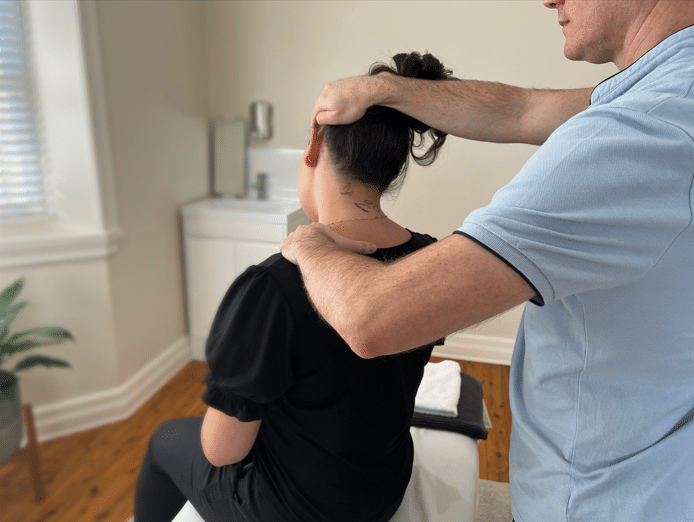
Five Dock Osteopathic and Chiropractic male chiropractor wearing a light blue shirt performing a stretch on the neck of a young female patient. The doctors right hand is placed on the head of the patient and the left hand on the shoulder of the female patient

Forest Lodge, Annandale, Glebe, Leichhardt, Balmain, Haberfield, Canada Bay, Rozelle, Rodd Point, Wareemba, Stanmore, Petersham, Lilyfield, Hunters Hill, Enfield, Cabarita, Mortlake, Rhodes, Burwood Heights, Birchgrove, Gladesville, Huntleys Point, Abbotsford, Ashfield, Croydon Park, Croydon, Chiswick, Russell Lea, Burwood, Strathfield, Concord, Drummoyne, North Strathfield, Liberty Grove, Dulwich Hill, Lewisham, Camperdown,  Ashbury, Homebush, Homebush West, Woolwich, Henley, Summer Hill, Sydney Olympic Park

Chiropractic
Learn about how chiropractic can help you
Osteopath
Learn about how osteopath can help you
Functional Exercise
Exercise can be fun and easy. One exercise can change alot
Massage
There are both relaxing and therapeutic benefits to massage
Health Span
How looking after yourself along the way pays off
Five Dock Osteo Chiro
A bit about how we can help you