Post: Chiropractic Care during Pregnancy: What Expectant Mothers Need to Know

Learn more about how your body works

Introduction

If you’re pregnant and experiencing back pain, you’re far from alone. Nearly 70% of expectant mothers deal with musculoskeletal discomfort during pregnancy—a statistic that highlights just how common this challenge is, yet how rarely it’s adequately addressed. While some dismiss pregnancy pain as an inevitable inconvenience, the reality is more concerning: for many women, this discomfort doesn’t simply disappear after delivery. Half of those who develop low back pain during pregnancy continue to struggle with it a year later, with 20% still experiencing symptoms three years postpartum.

Prenatal treatment by a chiro. Lady sitting holding her belly. She is wearing a brown top.

But what if there was a way to not only manage this pain but also optimise your body’s preparation for labour and delivery? At Five Dock Osteopathic and Chiropractic, we’ve developed a developmentally-informed approach to prenatal chiropractic care—one that respects your baby’s critical growth stages while supporting your changing body through each trimester. In this article, we’ll explore why pregnancy causes such widespread discomfort, how pelvic alignment affects both your well-being and your baby’s positioning, and our unique philosophy on when and how to provide chiropractic care throughout your pregnancy journey.

Key takeaways

  • Pregnancy pain is common but shouldn’t be ignored: With 70% of pregnant women experiencing back pain and half continuing to suffer one year postpartum, seeking treatment isn’t just about comfort—it’s about long-term wellbeing and quality of life.
  • Pelvic alignment matters for both mother and baby: Proper pelvic balance doesn’t just relieve pain; it can optimize the space available for your baby to move into the ideal head-down position for delivery, potentially reducing the risk of breech presentation and associated complications.
  • Timing matters in prenatal chiropractic care: A developmentally-informed approach that begins treatment in the second trimester (after major organ formation is complete) and intensifies in the third trimester (when relaxin peaks and positioning is critical) provides support when you need it most while respecting your baby’s crucial early development.
Pregnancy Pain is Widespread

Back pain affects almost 70% of pregnant women, with studies showing prevalence rates ranging from 50% to over 75%. The most common types are low back pain and pelvic girdle pain, which can significantly impact daily activities, work ability, and quality of life.

Pain typically begins in the second trimester, with prevalence increasing as pregnancy progresses—affecting 50% of women in the first trimester, 40-70% in the second trimester, and 70-80% in the third trimester.

For many women, this isn’t just a temporary inconvenience. Approximately half of women who develop low back pain during pregnancy continue to experience pain one year after childbirth, and 20% remain symptomatic three years postpartum.

Why Pregnancy Causes Musculoskeletal Pain

During pregnancy, multiple physiological changes contribute to discomfort:

  1. Postural Changes: As the baby grows heavier, the centre of gravity shifts and posture adjusts, potentially leading to misaligned spine or joints.
  2. Physical Adaptations: Changes include a protruding abdomen resulting in increased spinal curve (hyper lordosis) and pelvic changes as the body prepares for labour
    • Abdominal muscle separation: The rectus abdominis muscles may separate (diastasis recti), reducing core stability
    • Weight gain: The additional 11-16 kg of pregnancy weight increases stress on weight-bearing joints
  3. Hormonal Influences: Pregnancy hormones increase joint laxity (Relaxin), which can affect spinal stability

When the pelvis is misaligned, it may reduce the room available for the developing baby, a condition called intrauterine constraint, which can also make it difficult for the baby to get into the best position for delivery. This reduced space can make it difficult for the baby to move into the optimal head-down position for delivery.

Intrauterine Constraint

Breech presentation (when the baby is positioned feet- or bottom-first instead of head-down) occurs in approximately 4% of pregnancies at term. While some babies remain breech for various reasons, pelvic misalignment and the resulting constraint may be contributing factors. Breech presentation often necessitates changes to the delivery plan, including the possibility of caesarean section, external cephalic version (manual turning of the baby), or specialized vaginal delivery techniques.

Addressing pelvic alignment during pregnancy may help improve the space available for foetal positioning, potentially reducing the risk of breech presentation and associated delivery complications.


What to Expect: Chiropractic Care during Pregnancy
Our Philosophy: Timing Treatment with Your Baby’s Development

At Five Dock Osteopathic and Chiropractic, we take a developmentally-informed approach to prenatal chiropractic care. Our treatment philosophy is guided by respect for the critical stages of foetal development and the unique physiological changes occurring throughout your pregnancy journey.

First Trimester (Weeks 1-13): No treatment

The first trimester, particularly the embryonic period (weeks 5-10), is the most critical window for organ development. During these weeks:

  • The brain, spinal cord, and heart begin to form
  • All major organ systems establish their foundation
  • The embryo transforms into a foetus
  • Most structural birth defects, if they occur, develop during this sensitive period

We believe in allowing this remarkable developmental process to unfold without intervention, providing your body the space it needs to focus entirely on creating the foundation for your growing baby.

Second Trimester (Weeks 14-27): Commencing Chiropractic Care

Our Approach: Gentle Support as Growth Accelerates

As you enter your second trimester—often called the “honeymoon period” of pregnancy—we begin active chiropractic care. This timing coincides with several important physiological factors:

Why We Begin Treatment Now:

  1. Organ Development is Complete By week 14, all major organs have formed and continue to mature. Your baby is now focused on growth and refinement rather than initial structural development.
  2. Relaxin Hormone Increases The hormone relaxin, which increases progressively throughout pregnancy, begins to significantly affect your joints and ligaments during the second trimester. Relaxin causes:
  • Increased joint laxity throughout the body
  • Loosening of pelvic ligaments in preparation for birth
  • Reduced spinal stability
  • Greater susceptibility to misalignment
  1. Postural Changes Intensify As your baby grows from apple-sized (week 15) to cauliflower-sized (week 27), significant postural adaptations occur:
  • Your centre of gravity shifts forward
  • Lumbar lordosis (lower back curve) increases
  • Pelvic tilt changes
  • Weight gain accelerates (approximately 5-6kg during this trimester)
  1. Musculoskeletal Discomfort Commonly Begins Most pregnant women begin experiencing back pain and pelvic discomfort during the second trimester, typically around week 20-22.

Our Second Trimester Care Includes:

  • Gentle spinal adjustments adapted for pregnancy
  • Pelvic alignment to optimize space for foetal growth
  • Postural correction and ergonomic advice
  • Monitoring of biomechanical changes
  • Regular assessments as clinically indicated

We coincide our scheduling and treatment approach with these week-by-week changes, ensuring you receive the appropriate care.


Third Trimester (Weeks 28-40+): Optimizing for Birth

Our Approach: Comprehensive Preparation for Labour and Delivery

The third trimester is when chiropractic care becomes most crucial. During these final weeks, your baby is preparing for birth, and your body is undergoing rapid, weekly changes that significantly impact your musculoskeletal system.

Expected mothers begin to experience week-by-week Physiological Changes:

Weeks 28-32: Foundation for Birth Positioning

  • Baby gains approximately 0.5kg per week
  • Increased weight places greater stress on the pelvis and spine

Weeks 32-34: Critical Positioning Window

  • 72% of babies show important bone development markers (distal femoral epiphysis) by week 33
  • Optimal time for addressing breech presentation
  • Pelvic alignment is crucial for allowing baby adequate room to turn
  • Maximum relaxin levels increase pelvic instability

Weeks 34-37: Late Preterm Period

  • Baby is considered “late preterm” and could survive if born
  • Brain weighs only two-thirds of what it will at 39-40 weeks
  • Continued lung maturation
  • Optimal pelvic balance supports final foetal positioning
  • Mother’s body prepares for labour with practice contractions

Weeks 37-40+: Final Preparation

  • Baby is “early term” (37-38 weeks) then “full term” (39-40 weeks)
  • Skull bones remain unfused for passage through birth canal
  • Optimal pelvic alignment may facilitate easier labour
  • Weekly changes in maternal posture and biomechanics
  • Maximum physical stress on mother’s musculoskeletal system

The Role of Relaxin in the Third Trimester:

Relaxin hormone reaches its peak levels during the third trimester, causing:

  • Maximum joint laxity in the pelvis
  • Increased risk of sacroiliac joint dysfunction
  • Greater potential for pelvic misalignment
  • Enhanced ability to correct alignment with gentle adjustments

Our Third Trimester Care Focus:

  • Pelvic alignment to optimize space for baby
  • Support for optimal foetal positioning (head-down)
  • Management of sacroiliac joint dysfunction
  • Relief from increased lumbar lordosis and pelvic pressure
  • Addressing round ligament pain
  • Preparation for labour and delivery

Clinical assessment guides our care recommendations—your treatment plan is individualized based on your symptoms, biomechanical changes, baby’s positioning, and proximity to your due date.

fertility five dock. Women's health represented by a pregnant lady lying on her back on grass. Sh eis wearing a white top. Chiropractic can help during pregnancy. Postpartum treatment in Five Dock.

Summary

We adapt our scheduling and treatment recommendations based on your body’s week by week changes and individual presentation.

At Five Dock Osteopathic and Chiropractic, we’re passionate and here to support you through every stage of your pregnancy. Our practitioners provide evidence-informed chiropractic care for pregnant patients, guided by understanding of pregnancy physiology and biomechanics.

Bibliography

Pregnancy-Related Back Pain Prevalence and Impact:

  1. Salari N, Mohammadi A, Hemmati M, et al. The global prevalence of low back pain in pregnancy: a comprehensive systematic review and meta-analysis. BMC Pregnancy Childbirth. 2023;23(1):830. doi:10.1186/s12884-023-06151-x
  2. Wang SM, Dezinno P, Maranets I, Berman MR, Caldwell-Andrews AA, Kain ZN. Low back pain during pregnancy: prevalence, risk factors, and outcomes. Obstet Gynecol. 2004;104(1):65-70. doi:10.1097/01.AOG.0000129403.54061.0e
  3. Berber MA, Satılmış İG. Characteristics of Low Back Pain in Pregnancy, Risk Factors, and Its Effects on Quality of Life. Pain Manag Nurs. 2020;21(6):579-586. doi:10.1016/j.pmn.2020.07.002
  4. Ostgaard HC, Andersson GB. Postpartum low-back pain. Spine (Phila Pa 1976). 1992;17(1):53-55. doi:10.1097/00007632-199201000-00008

Postpartum Pain Persistence:

  1. Noren L, Ostgaard S, Johansson G, Ostgaard HC. Lumbar back and posterior pelvic pain during pregnancy: a 3-year follow-up. Eur Spine J. 2002;11(3):267-271. doi:10.1007/s00586-001-0357-7
  2. Bergstrom C, Persson M, Mogren I. Pregnancy-related low back pain and pelvic girdle pain approximately 14 months after pregnancy – pain status, self-rated health and family situation. BMC Pregnancy Childbirth. 2014;14:48. doi:10.1186/1471-2393-14-48
  3. Peterson T, Ostgaard HC. Persistence of back pain symptoms after pregnancy and bone mineral density changes as measured by quantitative ultrasound – a two year longitudinal follow up study. BMC Musculoskelet Disord. 2011;12:3. doi:10.1186/1471-2474-12-3
  4. Association between history of childbirth and chronic, functionally significant back pain in later life. BMC Women’s Health. 2023;23(1):1. doi:10.1186/s12905-022-02023-2
  5. Effectiveness of physical therapy on pain, disability and quality of life in women with lumbopelvic pain in postpartum period: a systematic review with evidence gap map and meta-analysis. BMC Women’s Health. 2025;25(1):212. doi:10.1186/s12905-025-03881-2

Breech Presentation:

  1. Hannah ME, Hannah WJ, Hewson SA, Hodnett ED, Saigal S, Willan AR. Planned caesarean section versus planned vaginal birth for breech presentation at term: a randomised multicentre trial. Term Breech Trial Collaborative Group. Lancet. 2000;356(9239):1375-1383. doi:10.1016/S0140-6736(00)02840-3
  2. Macharey G, Gissler M, Ulander VM, et al. Breech presentation at term and associated obstetric risks factors-a nationwide population based cohort study. Arch Gynecol Obstet. 2017;295(4):833-838. doi:10.1007/s00404-016-4283-7
  3. Hofmeyr GJ, Hannah M, Lawrie TA. Planned caesarean section for term breech delivery. Cochrane Database Syst Rev. 2015;(7):CD000166. doi:10.1002/14651858.CD000166.pub2
  4. Macharey G, Gissler M, Rahkonen L, et al. A comparison of risk factors for breech presentation in preterm and term labor: a nationwide, population-based case-control study. Arch Gynecol Obstet. 2020;301(1):91-98. doi:10.1007/s00404-019-05385-5

Relaxin Hormone and Joint Laxity:

  1. Schauberger CW, Rooney BL, Goldsmith L, Shenton D, Silva PD, Schaper A. Peripheral joint laxity increases in pregnancy but does not correlate with serum relaxin levels. Am J Obstet Gynecol. 2003;188(2):466-470. doi:10.1067/mob.2003.128
  2. Aldabe D, Ribeiro DC, Milosavljevic S, Bussey MD. Pregnancy-related pelvic girdle pain and its relationship with relaxin levels during pregnancy: a systematic review. Eur Spine J. 2012;21(9):1769-1776. doi:10.1007/s00586-012-2162-x
  3. Vøllestad NK, Torjesen PA, Robinson HS. Association between the serum levels of relaxin and responses to the active straight leg raise test in pregnancy. Man Ther. 2012;17(3):225-230. doi:10.1016/j.math.2012.01.003
  4. Wolf JM, Cameron KL, Owens BD. Impact of joint laxity and hypermobility on the musculoskeletal system. J Am Acad Orthop Surg. 2011;19(8):463-471.
  5. Dehghan F, Haerian BS, Muniandy S, Yusof A, Dragoo JL, Salleh N. The effect of relaxin on the musculoskeletal system. Scand J Med Sci Sports. 2014;24(4):e220-e229. doi:10.1111/sms.12149

Chiropractic Care During Pregnancy:

  1. Borggren CL. Pregnancy and chiropractic: a narrative review of the literature. J Chiropr Med. 2007;6(2):70-74. doi:10.1016/j.jcme.2007.04.004
  2. Weis CA, Pohlman K, Draper C, daSilva-Oolup S, Stuber K, Hawk C. Chiropractic Care for Adults With Pregnancy-Related Low Back, Pelvic Girdle Pain, or Combination Pain: A Systematic Review. J Manipulative Physiol Ther. 2020;43(7):714-731. doi:10.1016/j.jmpt.2020.08.001
  3. Peterson CK, Mühlemann D, Humphreys BK. Outcomes of pregnant patients with low back pain undergoing chiropractic treatment: a prospective cohort study with short term, medium term and 1 year follow-up. Chiropr Man Therap. 2014;22(1):15. doi:10.1186/2045-709X-22-15
  4. Stuber KJ, Smith DL. Chiropractic treatment of pregnancy-related low back pain: a systematic review of the evidence. J Manipulative Physiol Ther. 2008;31(6):447-454. doi:10.1016/j.jmpt.2008.06.009
  5. Stickler K, Kearns G. Adverse events from spinal manipulation in the pregnant and postpartum periods: a critical review of the literature. Chiropr Man Therap. 2012;20(1):8. doi:10.1186/2045-709X-20-8

Fetal Development and Organogenesis:

  1. Sadler TW. Langman’s Medical Embryology. 14th ed. Wolters Kluwer; 2018.
  2. Moore KL, Persaud TVN, Torchia MG. The Developing Human: Clinically Oriented Embryology. 11th ed. Elsevier; 2019.
  3. Carlson BM. Human Embryology and Developmental Biology. 6th ed. Elsevier; 2019.

Subscribe for our free health tips

About the Author

Dr Catherine Dao is a female chiropractor who has a special interest in pain and women's health. She is smiling at the camera and wearing a black top.

Dr Catherine Dao

Dr. Catherine Dao – Your Partner in Comprehensive Health and Healing Dr. Catherine Dao brings a unique blend of advanced expertise and genuine care to Five Dock Osteopathic and Chiropractic. With her Master’s in Chiropractic and specialized focus on neurology and pain management, Catherine takes a fresh, innovative approach to complex health challenges – looking beyond symptoms to find lasting solutions.

A Different Kind of Care Catherine understands that every patient’s journey is unique. Drawing on her background as a massage therapist and her deep knowledge of neuroscience, she creates personalized treatment plans that address the whole person, not just the problem.

Supporting Women’s Health at Every Stage As a female practitioner, Catherine offers a comfortable, understanding environment for women navigating health concerns. Whether you’re dealing with pregnancy support, fertility challenges, hormonal changes through menopause, pelvic health issues, or performance goals, she provides expert care with the empathy and insight that comes from truly understanding women’s health needs.

Evidence-Based Excellence Catherine’s commitment to staying at the forefront of her field means you’re receiving care based on the latest research and most effective techniques. She believes in empowering her patients with knowledge and working together toward your health goals.

Ready to experience the difference personalized, expert care can make? Book your consultation with Dr. Catherine Dao today and take the first step toward feeling your best.

Chiropractic
Learn about how chiropractic can help you
Osteopath
Learn about how osteopath can help you
Functional Exercise
Exercise can be fun and easy. One exercise can change alot
Massage
There are both relaxing and therapeutic benefits to massage
Health Span
How looking after yourself along the way pays off
Five Dock Osteo Chiro
A bit about how we can help you

Do You Want To Feel Better?

drop us a line and keep in touch

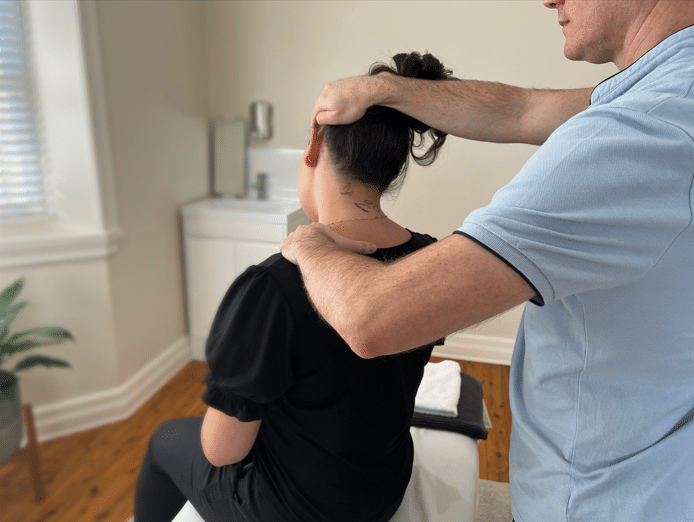
Five Dock Osteopathic and Chiropractic male chiropractor wearing a light blue shirt performing a stretch on the neck of a young female patient. The doctors right hand is placed on the head of the patient and the left hand on the shoulder of the female patient