Understanding Your Tendon Injury and Pain
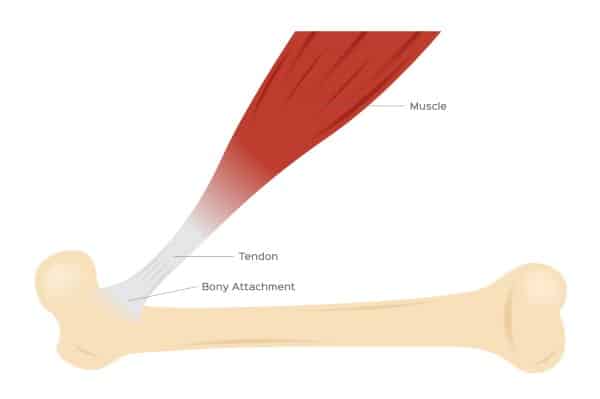
Picture your tendons as nature’s strongest ropes. They’re the bridge between your muscles and bones. Tendons are composed of 55–70% water, and the extracellular matrix is primarily of aligned type I collagen fibers (65–80% dry weight) PubMed Central
When you hurt them, your pain tells a story. Maybe it’s sharp when you move. Maybe it aches in the morning. Perhaps it whispers during the day and shouts at night.
I like to explain it this way. Imagine your favorite rope got tangled and frayed. The fibers that usually line up perfectly? They’re all mixed up now. That’s why you hurt. That’s why simple tasks feel impossible.
After an acute injury, 3 successive phases are described to achieve healing: an inflammatory phase followed by a proliferative phase, and finally by a remodeling phase. ScienceDirect Your body knows what to do. We just need to support it.
The Four Stages of Tendon Healing
Let’s break down your healing journey together. I promise, understanding these stages helps you heal better.
Stage 1: Bleeding (First 48 hours)
Right after your injury, your body jumps into action. Blood rushes to help. Within minutes, a protective clot forms. Think of it as your body’s emergency bandage.
You might see bruising. That’s normal. Your body is already working hard to heal the tendon for you.
Stage 2: Inflammation (Days 2-7)
Now things get interesting. The inflammatory stage lasts approximately 48 hours and consists of erythrocyte, leukocyte, endothelial chemoattractant, and platelet infiltration. PubMed Central
In simple terms? Your body sends its cleanup crew. Yes, it hurts. Yes, it’s swollen. But this isn’t your enemy. This inflammation is your body’s healing team arriving.
I often tell patients – respect this stage. Your pain is loudest now. But healing has truly begun.
Stage 3: Proliferation (Weeks 1-3)
The proliferative phase occurs for a period of 7 to 21 days. PubMed Central This is my favorite stage. Your body becomes a construction site.
Imagine tiny workers laying new foundation. In this phase, clot is formed in damaged vessels, inflammatory cells are activated, and finally fibroblasts are recruited to continue the healing process. PubMed Central New tissue forms, but it’s like fresh concrete. It needs time to strengthen.
You’ll notice less pain now. That’s your body saying “we’re making progress!”
Stage 4: Remodelling (Week 3 to 2 years)
The third stage begins months after the initial injury, can last longer than 12 months, and involves extracellular matrix alignment and collagen I synthesis replacing the collagen III. PubMed Central
This is the marathon stage. Your tendon transforms from weak to strong. Those messy fibers? They’re lining up like soldiers now.
Yes, it takes time. But every day makes you stronger.
How Chiropractic Care Speeds Your Recovery
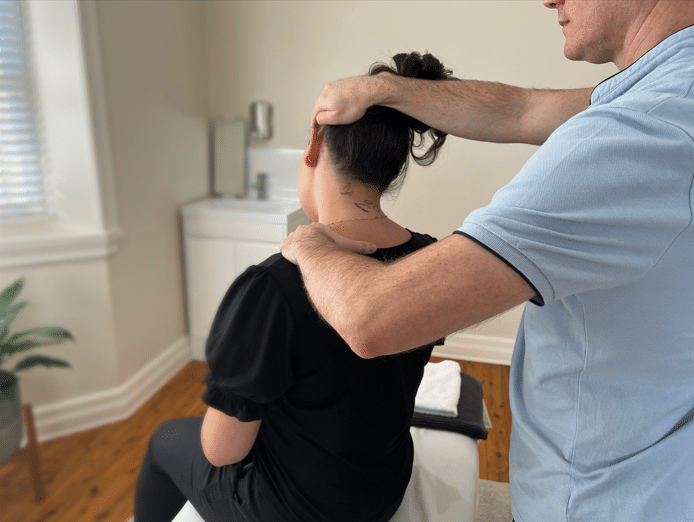
Here’s where I get excited. As your chiropractor, I don’t just watch you heal. I actively help your body do it better and faster.
Soft Tissue Therapy for Tendon Injuries
Manual soft tissue therapy, dry needling, low level laser therapy (LLLT)/Photobiomodulation (PBM), spinal and peripheral joint manipulation/mobilisation and upper extremity rehabilitation program are all described in literature for tendon injuries. PubMed Central
When I work on your tissues, magic happens. Blood flow increases. Scar tissue softens. Your pain starts melting away.
Think of it as giving your tendon a helping hand. We’re not forcing healing. We’re inviting it.
Chiropractic Adjustments and Movement
Your body is like an orchestra. When one instrument is out of tune, the whole symphony suffers. All athletes presented with associated findings including wrist and shoulder pathology, poor scapulohumeral biomechanics, cervical, thoracic, and lumbar pathology PubMed Central
That’s why I look at your whole body. Your sore shoulder might be affecting your elbow. Your stiff back might stress your achilles.
When I adjust your spine, everything works better together.
Exercise: The Right Dose for Strength
Clinicians may use these loading tiers as a guide to progressively increase patellar tendon loading during the rehabilitation of patients with patellar tendon disorders PubMed
Exercise is like medicine for tendons. But just like medicine, the dose matters. Too much hurts you. Too little won’t help.
I’ll be your guide. We’ll start where you’re comfortable. Then we’ll build slowly. The 24-hour response to loading is the primary indicator of tendon tolerance. If pain is the same or better, or morning stiffness is the same or better 24 hours post-exercise, the tendon has tolerated the load appropriately. Physiopedia
If you feel good the next day? Perfect. We’re on track.
Common Tendonitis Conditions We Treat
You’re not alone in this. I see tendon problems every day. Here are the usual suspects:
- Achilles tendonitis: That nagging heel or calf pain
- Tennis elbow: Ouch on the outside when you grip
- Golfer’s elbow: Inside elbow pain that won’t quit
- Shoulder tendonitis: When reaching up feels impossible
- Patellar tendonitis: That sharp pain below your kneecap
Each one is unique, like you. But they all respond to proper care.
Timeline: When Will Your Pain Go Away?
I know you want dates. Let me be honest with you. The quick answer to the question, is the tendon healing process lasts 12-16 weeks pending the type of tear and injury. JOI Jacksonville Orthopaedic Institute
But you’re not a textbook. You’re you. Here’s what most patients experience:
Weeks 1-2: Yes, it hurts. Rest is your friend. Ice helps. Be patient with yourself.
Weeks 3-4: Hey, you’re feeling better! Gentle movement starts. Small victories matter.
Weeks 5-8: A repaired tendon is weakest from 7-10 days post-op. JOI Jacksonville Orthopaedic Institute We’re past the danger zone. Strength work begins carefully.
Weeks 9-12: You’re doing things again! Most daily tasks feel normal. Hope returns.
Weeks 13-16: Sports? Heavy lifting? We’re getting close. Your confidence grows.
Months 4-12: Given the long duration for recovery (9-12 months) and the residual impairment following injury and repair, research aimed at improving outcomes is still needed. PubMed Central Final touches. Full power returns.
Why Movement Matters for Recovery
Here’s something surprising. The earlier return to activity after surgery, the higher the quality of tendon healing and the less adhesion will occur. Nature
Rest isn’t always best. Your tendon needs movement to heal properly. But – and this is crucial – the right movement at the right time.
Move too soon? You might re-injure yourself. Wait too long? Scar tissue takes over.
That’s why you need me. I’ll read your body’s signals. I’ll adjust your plan daily. Together, we’ll find your perfect pace.
Advanced Considerations
Hidden Pitfalls in Tendon Recovery
Central Sensitization: Emerging research is indicating the presence of changes in central pain processing, such as central sensitization, in some cases of tendinopathy. Wiley Online Library Some patients develop heightened pain sensitivity. This requires specialized pain education alongside physical treatment.
Tissue Quality Concerns: This process continues for months and years following the injury; however, the newly formed tissue lacks the native biomechanical, biochemical, and ultrastructural properties of the tendon. PubMed Central Even “healed” tendons never fully match original strength. This explains re-injury risk.
Loading Paradox: Research shows pain during exercise doesn’t always indicate harm. The 24-hour pain response matters more than immediate discomfort.
Advanced Treatment Considerations
Mechanotransduction: Tendons require mechanical loading to heal optimally. Appropriate mechanical stimulation has been found to promote macrophage polarisation towards the M2 phenotype and secretion of high levels of TGF-β1 to promote chondrogenic differentiation of mesenchymal stem cells Frontiers
Progressive Loading Protocols: A rehabilitation program aiming to increase tendon load tolerance must obviously include strength exercises, but should also add speed and energy storage and release. Apunts Sports Medicine Modern protocols emphasize graduated loading through:
- Isometric exercises (40-70% maximum contraction)
- Heavy slow resistance (6-15 repetitions)
- Energy storage exercises (jumping/hopping)
- Sport-specific movements
Multimodal Integration: There is Fair (B) level of evidence for MMT to specific joints and the full kinetic chain combined generally with exercise and/or multimodal therapy for lateral epicondylopathy, carpal tunnel syndrome, and temporomandibular joint disorders, in the short term.