What a movement screen looks at and what proprioception means
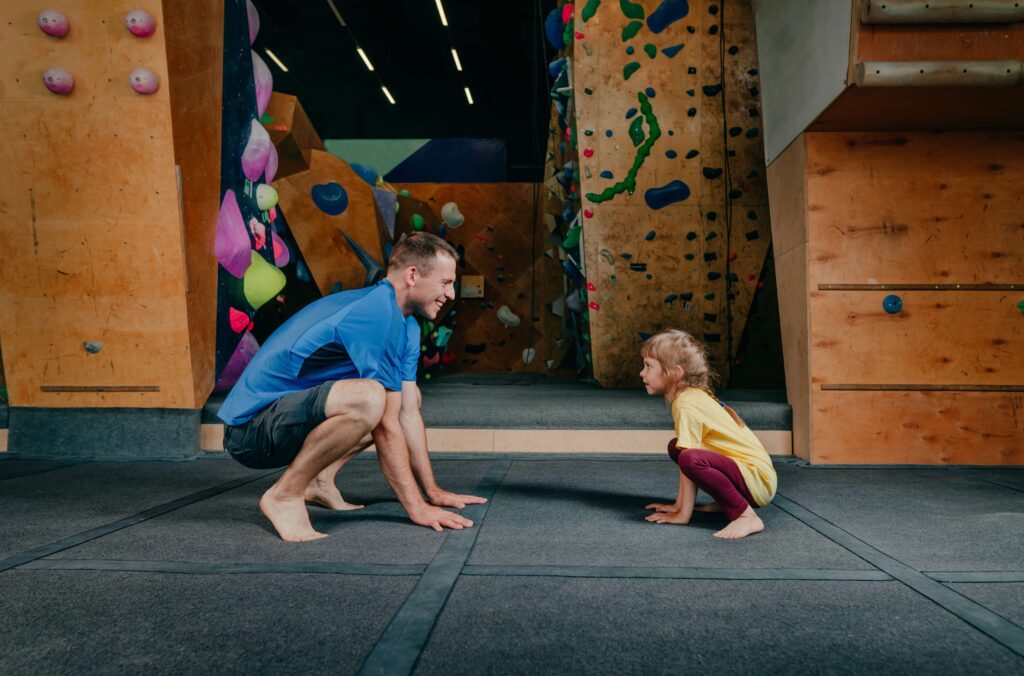
During a screen, we ask you to move through a handful of basic patterns. You might squat, lunge, reach overhead, or balance on one leg. We watch how your joints line up as you move. We also notice how smoothly and evenly you control each pattern. Small differences between your left and right sides matter to us. We often screen before you start any new activity. We also screen when you return after a niggle or injury. This is the most important time to perform a movement screen.
One thing we watch closely is your proprioception. Proprioception is your body’s sense of where it is in space. It lets you touch your nose with your eyes closed. It helps you walk downstairs without staring at your feet. Tiny sensors in your muscles and joints feed this information to your brain.
This is why we might ask you to balance with your eyes closed. You lean on your vision far more than you realise. Closing your eyes removes it, so your position sense must take over. If you wobble a lot, that sense may need some training. This is not about passing or failing a test. It simply shows us where your body could use more support. Good position sense also protects you during quick, unplanned movements. It helps your joints react before you even think. When that sense is sharp, you are less likely to roll an ankle.
What tightness and dull, achy pain can reveal
Many people come to see us because of a nagging feeling. It might be muscle tightness across your shoulders, hips, or lower back. It might be a dull, achy pain that comes and goes. These signals are easy to brush off. Even so, they are usually worth listening to.
Tightness often means a muscle is working overtime. It may be quietly covering for a weaker area nearby. A movement screen helps us find that hidden weak link. So instead of chasing only the tight spot, we look at the whole pattern.
Achy pain can behave in a similar way. It may point to a joint that moves too little, or one that moves too much. When one area cannot do its job well, another area picks up the slack. Over time, that extra load can build into an injury. For example, a desk worker having stiff hips is a common occurrence. So are a runner’s tight, overworked calves. Screening early gives us a chance to shift the pattern creating your symptoms. It is far easier to adjust a habit than to recover from a serious injury. It is imporant to remember, none of this means your body is broken. It simply means your movement has a pattern we can improve.
Can a movement screen really predict and prevent injuries?
Here we want to be honest with you. A movement screen is a helpful tool, not a crystal ball. The well-known Functional Movement Screen has been studied in detail. In 2019, researchers pooled the results of 20 separate studies.
They found that people who scored “high risk” were about 51% more likely to be injured. That sounds convincing, but there is an important catch. The researchers rated the certainty of this evidence as very low. Another 2019 review reached a similar, cautious view. Your age, sport, sex, and injury history all change the picture.
We also pay close attention to differences between your sides. A big gap between your left and right can tell us a lot. Often it says more than a single total score does. So we watch how you move, not just the final number.
So what does this mean for you in practice? A single number should never decide your entire plan. We treat a screen as one piece of a larger puzzle. We read it alongside your history, your goals, and how you feel. The true value here is not fortune telling. It is spotting specific, changeable things, then doing something about them.
How the right movement and strength training lower your risk
This is where the evidence becomes much stronger and more exciting. A screen points out weak spots. Well-chosen exercise then does the real work. Training your balance, strength, and control genuinely reduces injuries.
A large 2025 review gathered 19 trials and over 28,000 people. It found that structured training programs cut knee injuries by about 25%. Programs that trained the nervous system worked best of all. These build strength, balance, and body control at the same time.
The same review showed that dosage matters just as much. The best results came from short sessions of about 5 to 15 minutes. People trained four to five times each week. They kept it going for longer than 26 weeks. In other words, little and often, over time, wins.
This is why we never just hand you a random exercise sheet. Too little effort achieves very little. Too much, too soon can raise your risk instead. We use your screen to choose the right movement and strength training for you. Then we adjust the amount as your body grows stronger and more capable. This is what “dosing” your exercise really means.
In practice, this might mean single-leg balance drills to sharpen your control. It might mean slow, careful squats to build strength safely. We then re-screen you over time to check your progress. When a movement improves, you can both see and feel the change.
How a chiropractor ties hands-on care and exercise together
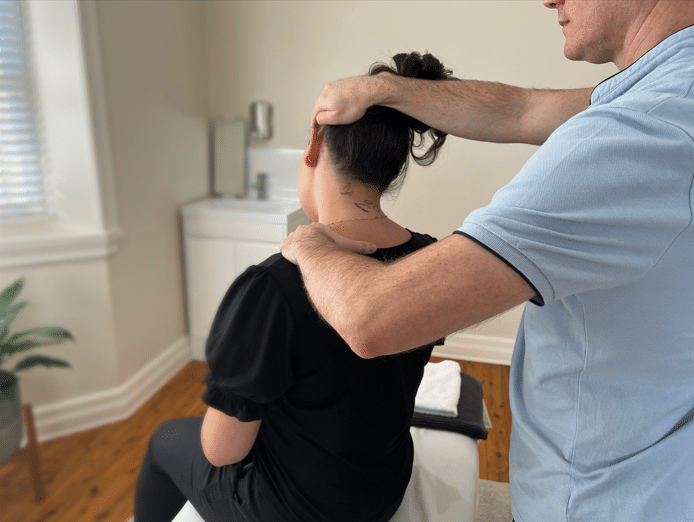
Good care rarely leans on one method alone. As a chiropractor-led clinic, we often combine three things. We use soft tissue therapy, gentle spinal adjustments, and targeted exercise. Research supports blending these rather than relying on any single one.
A 2021 review of spinal care found good support for this combined approach. Pairing hands-on treatment with exercise is recommended for back and neck pain. Hands-on care can ease your pain and help you move more freely. That often makes it much easier for you to do your exercises well. Movement and manual care work best as partners, not rivals. We choose your mix based on what your screen and body show us. Some people need more hands-on care at first. Others are ready to load up and train sooner. Your plan should fit you, not a one size fits all template.