Post: How Osteopathy Complements Pilates and Yoga Practice
Learn more about how your body works
Understanding the Powerful Partnership:
Many people are finding that combining different wellness approaches leads to better results. One powerful combination is osteopathy with Pilates and yoga. These health practices work very well together, each offering different benefits.
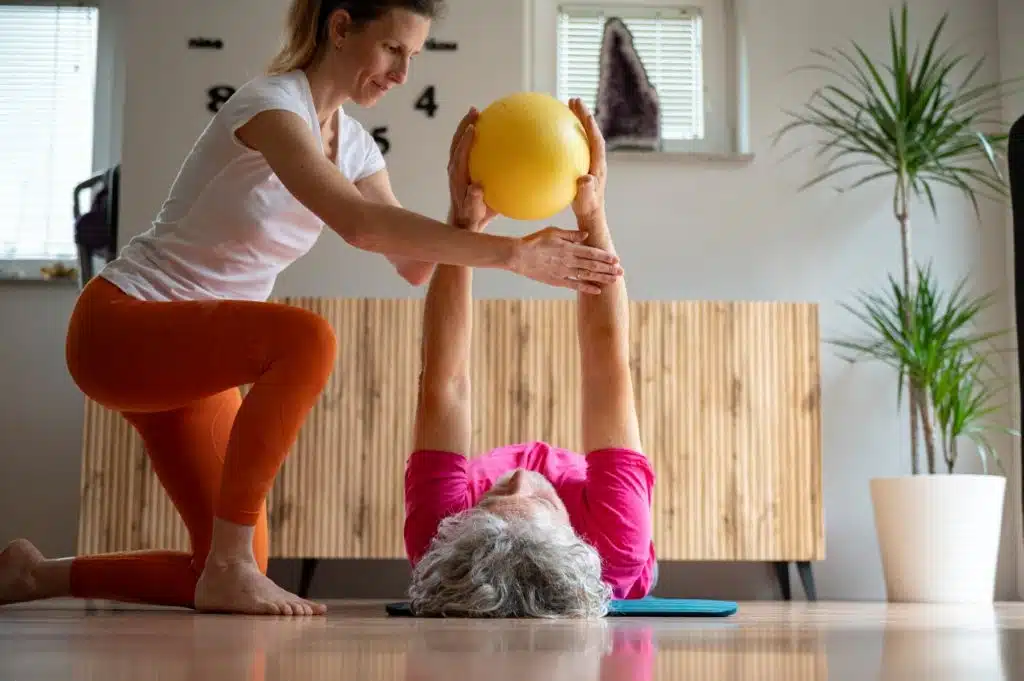
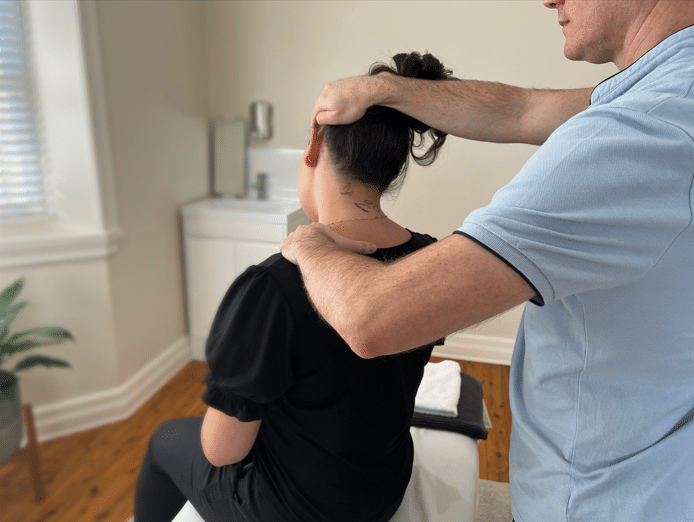
Osteopathy is hands-on healthcare that focuses on how your body’s structure affects its function. Pilates and yoga are movement practices that build strength, flexibility, and mind-body awareness. When used together, they create a complete system for health and recovery.
This blog explores how osteopathy can make your Pilates and yoga practice better. We’ll look at how these practices support each other and the real benefits of using them together. Whether you’re just starting out or have years of experience, this information can help improve your results.
30 sec takeaway
Osteopathy, Pilates and yoga share core ideas about whole-body health, proper alignment, and the connection between structure and function. While their approaches differ, they work together exceptionally well.
Osteopathy uses hands-on treatment to fix restrictions and imbalances in your body. This creates a better foundation for Pilates and yoga by improving mobility, correcting alignment issues, and relieving pain that might limit your movement.
Meanwhile, Pilates and yoga build on osteopathic treatment by strengthening key muscles, improving body awareness, and developing healthy movement patterns. This helps maintain the improvements gained from osteopathic treatment.
Research shows this combined approach works better than any single method for improving posture, reducing pain, increasing mobility, and preventing injuries.
Though they seem different at first, osteopathy, Pilates, and yoga share several key principles that make them naturally work well together.
Whole-Body Approach:
All three practices view the body as a connected whole. Osteopathy recognises that problems in one area can affect distant parts. Similarly, both Pilates and yoga focus on coordinating your entire body during movement.
This means they don’t just treat isolated symptoms. Instead, they look for underlying patterns and connections. For example, lower back pain might come from tight hips, weak abs, or a stiff mid-back. All three approaches consider these relationships.
Emphasis on Alignment:
Good alignment is central to osteopathy, Pilates, and yoga. Osteopaths work to restore proper alignment of bones, joints, and tissues. Pilates focuses on precise alignment during exercises to engage the correct muscles and protect joints.
Yoga also emphasises alignment in poses to maximise benefits and prevent injury. This shared focus makes these practices naturally compatible. What one practice adjusts, the others help to maintain and strengthen.
Balance Between Stability and Mobility:
Finding the right balance between stability and mobility is essential in all three practices. Your body needs enough mobility to move freely, but also needs stability to protect joints.
Osteopathy helps identify and address areas that lack proper mobility or stability. Pilates builds core stability while promoting controlled limb movement. Yoga combines stable poses with flowing movements to develop both qualities.
How Osteopathy Enhances Pilates and Yoga Practice:
Osteopathy offers specific benefits that can improve your experience with Pilates and yoga.
Addresses Structural Restrictions:
Osteopathy helps fix structural restrictions that might limit your ability to do certain poses or exercises. Research shows that manual therapy can effectively improve joint mobility and tissue flexibility.
An osteopath can identify and treat restrictions in joints, muscles, and connective tissues that might be holding back your practice. For example, if you struggle with downward dog in yoga or the roll-up in Pilates, tight shoulders or hamstrings might be the problem. Osteopathic treatment can help release these tight areas.
Corrects Alignment Issues:
Alignment is crucial in both Pilates and yoga, but many people have postural imbalances that make proper alignment difficult. Osteopaths are specifically trained to assess and fix these imbalances.
By working on your spine, pelvis, and shoulders, osteopathic treatment creates a better foundation for your practice. This helps you perform exercises more effectively and with less risk of injury.
Relieves Pain That Limits Practice:
Pain can significantly limit your ability to enjoy Pilates or yoga. These issues can make certain movements uncomfortable, whether it’s back pain, joint discomfort, or muscle soreness.
Osteopathy offers effective pain relief by addressing the root causes of discomfort. Studies show osteopathic treatment can reduce pain in conditions like lower back pain, neck pain, and shoulder problems that might otherwise limit your movement practice.
Improves Body Awareness:
Body awareness, your sense of where your body is in space—is essential for both Pilates and yoga. Better awareness leads to more precise movements.
Osteopathic treatment enhances this awareness by improving joint function and addressing issues in the nervous system. This heightened body awareness helps you understand and follow instructions better, making your practice more rewarding.
Suffering from pain?
Let us help you with tailor-made care designed for you
How Pilates and Yoga Support Osteopathic Treatment:
The relationship works both ways. Just as osteopathy enhances Pilates and yoga, these movement practices help maintain and build upon the benefits of osteopathic treatment.
Strengthens Key Muscle Groups:
Osteopathic treatment can correct structural issues, but maintaining these corrections often requires proper muscle support. Both Pilates and yoga build strength in key muscle groups, particularly the core, which helps stabilise your spine and pelvis.
Pilates is known for its focus on core strength, targeting the deep stabilising muscles that support your spine. Yoga builds strength through holding poses. This strength development helps maintain proper alignment between osteopathic sessions.
Increases Body Awareness:
Both Pilates and yoga promote intense body awareness, which helps you notice and correct harmful movement patterns. This awareness enables you to maintain the improvements gained through osteopathic treatment.
When you become more aware of how your body moves, you’re better able to avoid positions that might reintroduce problems your osteopath has fixed. This creates a positive cycle where conscious movement choices reinforce osteopathic corrections.
Develops Consistent Movement Patterns:
Regular Pilates or yoga helps develop consistent, healthy movement patterns, reinforcing osteopathic treatment.
While an osteopath might correct an issue during a session, Pilates and yoga help you integrate those corrections into your daily movement habits. Regular practice creates automatic movement patterns, helping prevent problems from returning.
Specific Benefits for Common Conditions:
The combination of osteopathy with Pilates or yoga offers particular benefits for several common conditions.
Back Pain:
Back pain is one of the most common reasons people seek osteopathic care. Research has found that combining manual therapy with specific exercises works better for lower back pain than either approach alone.
Osteopathic treatment can address joint restrictions, muscle tension, and nerve pressure that contribute to back pain. Pilates strengthens the core muscles that support the spine, while yoga improves flexibility and reduces stress.
When used together, these approaches create a complete solution that addresses immediate pain through osteopathy while building the strength needed to prevent its return through Pilates or yoga.
Postural Problems:
Poor posture is increasingly common due to desk work and technology use. The combination of osteopathy with movement practices offers an effective solution for improving posture over time.
Osteopathic treatment can correct structural imbalances that contribute to poor posture, such as a forward head position or rounded shoulders. Pilates and yoga then help strengthen the muscles needed to maintain good posture, particularly the upper back and neck muscles.
The body awareness developed through these practices also helps you catch yourself when slipping into poor habits, creating lasting improvement.
Stress-Related Tension:
Physical tension from stress responds well to this combined approach. Stress often causes muscle tightness, particularly in the neck, shoulders, and jaw.
Osteopathy can release this tension directly through techniques like soft tissue massage and gentle joint movement. Yoga, with its focus on breath work and mindfulness, helps address the stress itself. Pilates promotes concentration on movement, providing a mental break from stressful thoughts.
Together, these approaches create a powerful system for managing stress and its physical effects.
What Research Shows:
Scientific research increasingly supports the benefits of combining osteopathy with movement practices like Pilates and yoga.
A study published in BMC Complementary Medicine and Therapies found that integrating manual therapy with specific exercises led to better outcomes for musculoskeletal conditions than either approach alone. Participants experienced greater pain reduction and improved function with the combined approach.
Research in the International Journal of Osteopathic Medicine has examined how osteopathic treatment improves movement quality. These improvements could enhance the effectiveness of Pilates and yoga practice.
Several studies have also shown how movement practices help maintain the benefits of manual therapy. This research suggests that regular Pilates or yoga practice can help prolong the positive effects of treatments like osteopathy.
Practical Integration for Best Results:
If you’re interested in combining osteopathy with Pilates or yoga, here are practical approaches to integrate these practices effectively.
Assessment First Approach:
Many practitioners recommend starting with an osteopathic assessment before beginning or deepening your Pilates or yoga practice. This helps identify any restrictions or imbalances that might affect your movement.
An initial osteopathic evaluation provides valuable information about your unique body structure. Your osteopath can highlight areas that need attention and suggest modifications for your Pilates or yoga practice.
This approach is constructive if you’re new to movement practices or have existing pain or injuries. It helps ensure your practice builds on a solid foundation.
Interested in the benefits of osteopathy?
Let us help you with tailor-made care designed for you
Another effective approach is to alternate between osteopathic treatment and movement sessions. This allows each practice to build on the benefits of the other.
For example, you might schedule an osteopathic session, followed by several Pilates or yoga classes, then return for another osteopathic treatment. This cycle helps your body integrate the manual therapy through movement.
The frequency of osteopathic sessions depends on your individual needs. Some people benefit from monthly sessions, while others might need treatment only every few months as their practice advances.
Targeted Problem-Solving:
For specific issues that arise in your Pilates or yoga practice, targeted osteopathic treatment can be particularly valuable. If you consistently struggle with certain movements, an osteopath can help identify and address the underlying causes.
For example, if you find it difficult to achieve proper alignment in triangle pose or struggle with Pilates roll-ups, an osteopath can assess whether joint restrictions or muscle imbalances are contributing to the difficulty.
This targeted approach helps you progress in your practice by removing specific obstacles.
Common Questions:
People often have questions about integrating osteopathy with Pilates or yoga. Here are answers to some common queries.
How Soon After Osteopathic Treatment Can I Practice?
It’s usually fine to attend a Pilates or yoga class within a day or two after osteopathic treatment. However, you might want to choose a gentler class initially, especially if the treatment was particularly deep.
Listen to any specific advice from your osteopath, as recommendations may vary based on your situation. Some treatments might benefit from immediate gentle movement, while others might require a brief rest period.
Can Osteopathy and Movement Practices Conflict?
When properly integrated, osteopathy and movement practices complement rather than conflict with each other. However, miscommunication could potentially create conflicts.
For example, if your osteopath advises avoiding certain movements, but your movement instructor isn’t aware of this recommendation, conflicts could arise. This highlights the importance of communication between practitioners.
Similarly, overly aggressive movement practice immediately after treatment might counteract some benefits. Working within the guidelines provided by both your osteopath and movement instructor helps avoid potential conflicts.
How Often Should I See an Osteopath While Practising?
The frequency of osteopathic treatment varies based on individual needs. Factors that influence this include:
Your current health status and any specific conditions
How long have you been practising Pilates or yoga
The intensity and frequency of your movement practice
How quickly your body responds to treatment
Initially, you might benefit from more frequent sessions, perhaps every 2-4 weeks. As your body responds and your movement practice develops, you might extend this to every 2-3 months or less frequently.
Conclusion: A Powerful Partnership for Wellness
The integration of osteopathy with Pilates and yoga creates a powerful approach to health and wellness. While each practice offers significant benefits individually, their combination creates a synergy that enhances overall outcomes.
Osteopathy provides the foundation by addressing structural issues that might limit movement or cause pain. Pilates and yoga build on this foundation by developing strength, flexibility, and body awareness that help maintain the benefits of osteopathic treatment.
Research increasingly supports the effectiveness of this integrated approach for conditions like back pain, postural problems, and stress-related tension. The combined approach often achieves better results than either discipline alone.
If you’re considering exploring this powerful partnership, start by finding qualified practitioners who understand the relationship between these practices. With proper guidance and regular practice, you can experience the transformative benefits of this holistic approach to wellness.
Luis is an empathetic osteopath whose gentle approach has helped countless patients find relief from pain and discomfort. With his warm personality and expert hands, Luis creates personalized treatment plans that address both your immediate symptoms and long-term wellbeing. His patients appreciate his thoughtful nature and ability to explain complex conditions in simple terms.
Originating from over in New Zealand, Luis developed a love for osteopathy and manual care from a young age, due to its holistic nature. With a special interest in manual therapy, anxiety and related breathing activities. You will find the care you need with Luis.
Forest Lodge, Annandale, Glebe, Leichhardt, Balmain, Haberfield, Canada Bay, Rozelle, Rodd Point, Wareemba, Stanmore, Petersham, Lilyfield, Hunters Hill, Enfield, Cabarita, Mortlake, Rhodes, Burwood Heights, Birchgrove, Gladesville, Huntleys Point, Abbotsford, Ashfield, Croydon Park, Croydon, Chiswick, Russell Lea, Burwood, Strathfield, Concord, Drummoyne, North Strathfield, Liberty Grove, Dulwich Hill, Lewisham, Camperdown, Ashbury, Homebush, Homebush West, Woolwich, Henley, Summer Hill, Sydney Olympic Park