Myth 1: “Osteopaths Only Treat Bones”
The Reality: This might be the biggest misconception of all. While the word “osteo” comes from the Greek word for bone, modern osteopathy treats much more than just your skeleton.
Recent research from 2023 shows that osteopaths successfully treat a wide range of conditions throughout the body. Think of your body like a smartphone – everything is connected and works together. When osteopaths work on your muscles, joints, and tissues, they’re helping your entire body function better, including your blood flow, nervous system, and even your organs.
Osteopaths treat conditions like headaches, neck and shoulder pain, sports injuries, pregnancy-related discomfort, and even digestive issues. One comprehensive 2023 study examining French healthcare recommendations found that high-level scientific evidence supported the use of osteopathy for low back pain, sciatica, cervical radiculopathy, and ankle sprain. There was moderate evidence for tension headache, temporomandibular joint disorder, endometriosis, and low back and pelvic pain in pregnant women.
Myth 2: “Osteopathy Isn’t Based on Real Science”
The Reality: This myth couldn’t be further from the truth. Osteopathy is increasingly backed by solid scientific research, and the evidence continues to grow stronger each year.
A major 2022 overview of systematic reviews analysed multiple high-quality studies and found that promising evidence suggests the possible effectiveness of OMT for musculoskeletal disorders. This means that when researchers looked at all the best studies available, they found good evidence that osteopathy actually works for muscle and joint problems.
To become a qualified osteopath, practitioners must complete 4–5 years of university-level training, including extensive study of anatomy, physiology, and research methods. They’re required to continue learning throughout their careers, with 30 hours of professional development each year. In countries like Australia and the UK, osteopaths are regulated healthcare professionals, just like doctors and physiotherapists.
Myth 3: “Osteopathy Is Painful and Involves Lots of ‘Cracking'”
The Reality: Many people picture osteopathy as involving aggressive bone-cracking techniques, but this is a misleading stereotype often confused with other treatments.
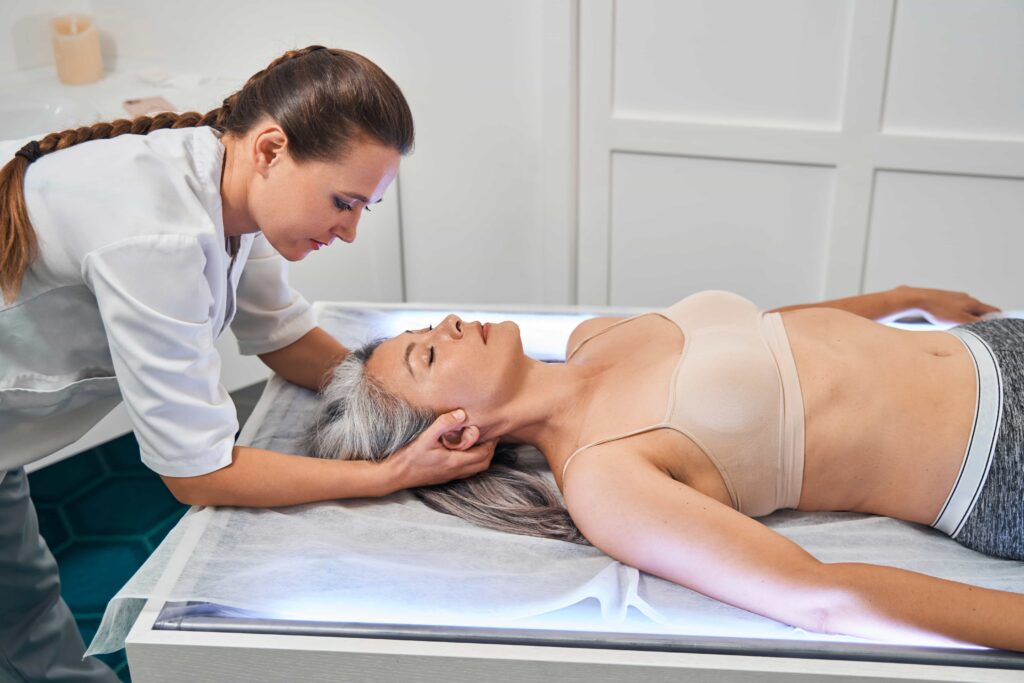
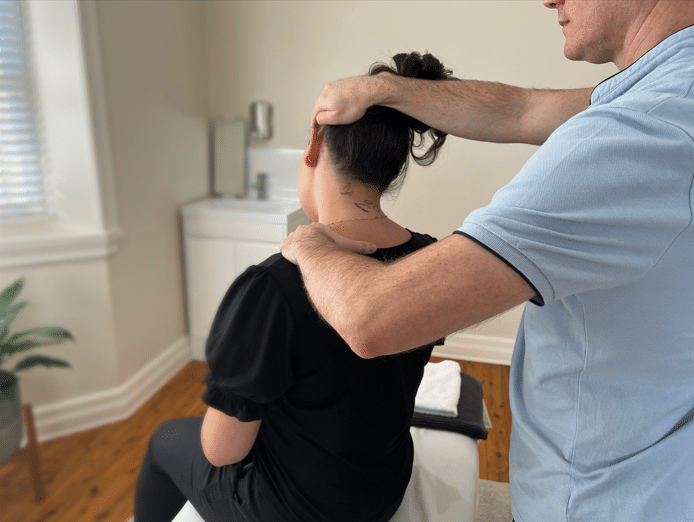
Modern osteopathy uses a gentle, holistic approach. While you might occasionally hear some joint sounds during treatment, osteopaths use many different techniques, including soft tissue massage, gentle stretching, and movement exercises. The goal is always to reduce pain, not create it.
If you ever feel uncomfortable during treatment, a good osteopath will immediately adjust their approach. Communication between patient and practitioner is key, and treatments should feel therapeutic, not painful.
Myth 4: “Osteopaths Are Just Like Chiropractors and Physiotherapists”
The Reality: While these three professions share some similarities, they each have distinct approaches and philosophies.
Osteopaths take what’s called a “holistic” approach – they look at your whole body and how everything connects. A physiotherapist might focus on rehabilitating a specific injured area, while a chiropractor typically concentrates on spinal alignment and nerve function. Osteopaths consider how problems in one area might affect your entire body and aim to restore overall balance and function.
All three professions can be effective, but their different approaches mean one might be more suitable for your particular needs than another.
Myth 5: “Osteopathy Only Helps Back Pain”
The Reality: While back pain is indeed one of the most common reasons people visit osteopaths, it’s far from the only condition they can help with.
Research shows osteopaths successfully treat numerous conditions including neck pain, headaches, sports injuries, arthritis pain, and even some pregnancy-related issues. Recent studies have found evidence supporting osteopathy for conditions ranging from ankle sprains to tension headaches.
The 2023 systematic review mentioned earlier identified evidence for osteopathic treatment in multiple body systems, not just the spine. This reflects the profession’s whole-body approach to healthcare.
Myth 6: “There’s No Evidence That Osteopathy Works”
The Reality: This myth persists despite growing scientific evidence supporting osteopathy’s effectiveness for many conditions.
A 2024 overview of research found that multiple high-quality systematic reviews and meta-analyses (the gold standard of medical research) support osteopathy’s effectiveness. The evidence is strongest for musculoskeletal conditions like back pain, neck pain, and joint problems.
Importantly, subjects who received OMT experienced a greater reduction in low back pain compared with those who did not receive OMT, according to a comprehensive analysis of multiple studies. This means that when researchers combined results from many different studies, people who received osteopathic treatment consistently experienced better pain relief than those who didn’t.
While researchers agree that more high-quality studies are needed (as is true for most healthcare treatments), the existing evidence provides solid support for osteopathy’s effectiveness, particularly for muscle and joint problems.