The 7 Fundamental Movement Patterns
1. Squat
The squat is like sitting in an invisible chair. You use this pattern every time you sit down or stand up. This movement strengthens your quadriceps, hamstrings, glutes, and core, providing a solid foundation for balance and posture.
When you squat properly, your knees bend and track over your toes. Your hips push back like you’re reaching for a chair behind you. This pattern is crucial because weak squatting can lead to your knee pain and back problems. Recent research shows that poor quality movement patterns increase your risk of injury, making proper squat technique essential for your health.
2. Hinge (Bend)
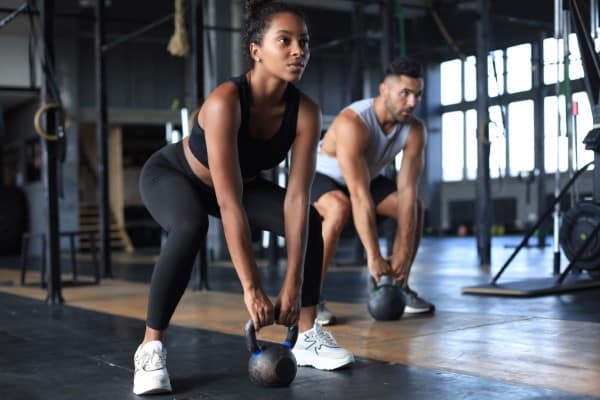
The hinge movement happens at your hips, not your back. Think about bending over to pick up your keys or tie your shoes. This movement targets the body’s powerhouse – the posterior chain, which includes the glutes and hamstrings.
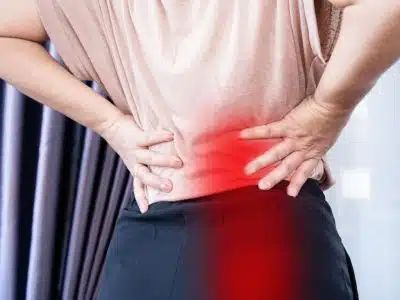
When you hinge correctly, your hips move backward while your spine stays straight. This protects your lower back from injury. Many people make the mistake of bending their spine instead of their hips. This poor pattern can cause your back pain and increase your injury risk. Hinging is one of the most essential movement patterns for lifting, playing sports, and general health outcomes.
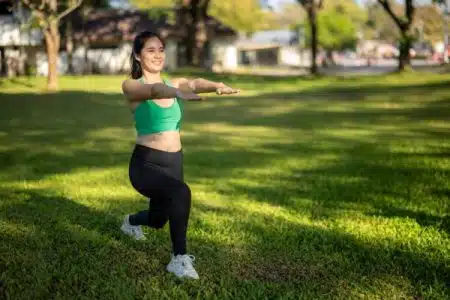
3. Lunge
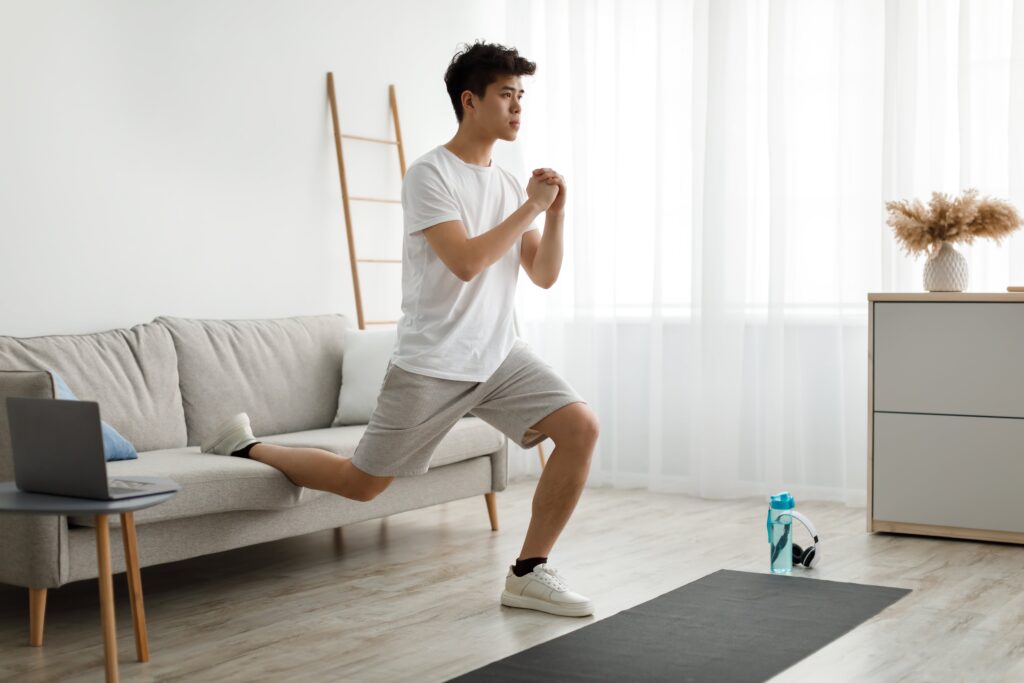
Lunges are like taking a big step forward, backward, or to the side. You use this pattern when climbing stairs, stepping over puddles, or getting out of a low car. Lunges are crucial for balance, flexibility, and unilateral strength, helping build coordination and stability.
This movement trains each leg separately, which helps fix imbalances between your left and right sides. When one side is weaker, you can develop compensation patterns that lead to your pain and injury.
4. Push
Pushing movements send force away from your body. Opening heavy doors, pushing a shopping cart, or doing push-ups all use this pattern. Push patterns engage the chest, shoulders, and triceps, fundamental for upper body strength and functionality.
There are two types of pushing: vertical (overhead) and horizontal (in front of you). Both are important for your daily activities and injury prevention. Weak pushing patterns can lead to your shoulder problems and poor posture.
5. Pull
Pulling movements bring things toward your body. Starting your lawnmower, opening doors, or pulling groceries from your car trunk all use pulling patterns. These movements balance out your pushing patterns and are essential for your posture.
Most people are stronger at pushing than pulling because we spend so much time hunched forward. This imbalance can cause your neck pain, shoulder problems, and upper back tension. Strengthening your pulling patterns helps reverse these issues.
6. Rotation (Twist)
Rotation involves twisting your torso. You use this pattern when looking over your shoulder while driving, swinging a golf club, or reaching across your body. Rotation is essential for transferring power from your lower half through your core and out through your upper half, and is arguably the most important of the 7 movement patterns.
Many exercise programs ignore rotation, but it’s crucial for your spinal health. Poor rotational patterns can lead to your back pain and reduce your athletic performance. Most human motion involves some form of rotation, whether during workouts or everyday life.
7. Gait (Walk/Carry)
Gait is your walking and running pattern. It also includes carrying objects while you move. Whether it’s walking, running, climbing stairs, or carrying groceries, we’re using locomotion. This is the most frequently used movement pattern in your daily life.
Poor gait patterns can cause problems throughout your body. Your foot position affects your knees, which affects your hips, which affects your back. When your walking pattern is off, you can develop pain anywhere in your kinetic chain.
Why These Patterns Matter for Your Health
Recent medical research shows the critical importance of these movement patterns. A 2023 study found that people with low-quality movement patterns had an increased risk of injury, with preventative strategies needing to include shaping high-quality movement patterns. Another study revealed that an elevenfold increase in the risk of injury was found in people with low-quality movement patterns.
Advanced technologies now allow clinicians to identify movement patterns known to place an athlete at risk for injury, leading to a paradigm shift toward “preventative biomechanics.” This means we can now predict and prevent your injuries before they happen by improving how you move.
How Poor Movement Patterns Affect You
When you perform these patterns incorrectly, several things can happen:
- Compensation patterns develop: Your body finds ways to complete movements that put stress on the wrong areas
- Muscle imbalances occur: Some muscles become overactive while others become weak
- Joint dysfunction increases: Your joints don’t move properly, leading to wear and tear
- Pain develops: Poor patterns create tension and stress that manifest as your symptoms
Research shows that an 8-week injury prevention exercise program can significantly reduce movement patterns associated with anterior cruciate ligament injury risk. This proves that you can retrain your movement patterns to reduce your injury risk.
Improving Your Movement Patterns
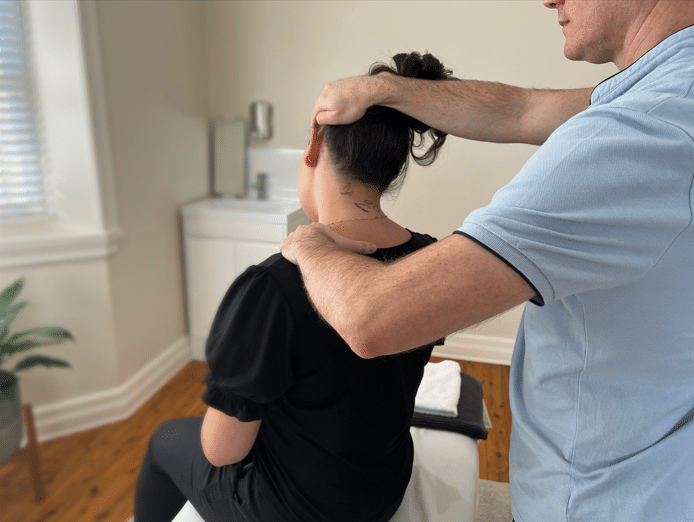
The good news is that you can improve your movement patterns with proper guidance. Movement analysis can identify biomechanical inefficiencies that increase injury risk, helping to contribute to overall health. During our sessions, I assess how you perform these seven patterns and identify areas that need improvement.
We start with basic versions of each movement and gradually progress to more challenging variations. For example, we might begin with bodyweight squats before adding resistance. The key is building quality movement before adding intensity.
Training duration is an important factor when designing injury prevention programs that facilitate long-term changes in movement control. This means consistent practice over time is essential for lasting improvements in your movement quality.