- 02 9712 1736
- [email protected]
- 212 Great North Road, Five Dock, NSW 2046
- Open 7 days a week

Your knee does amazing work every single day. It helps you walk, run, climb stairs, and stay active. But when knee pain strikes, it can stop you in your tracks. Understanding what causes your pain helps you know when to seek help. This guide explains common knee pain causes and warning signs that need immediate attention. You’ll learn when your symptoms need professional care from a chiropractor or healthcare provider.
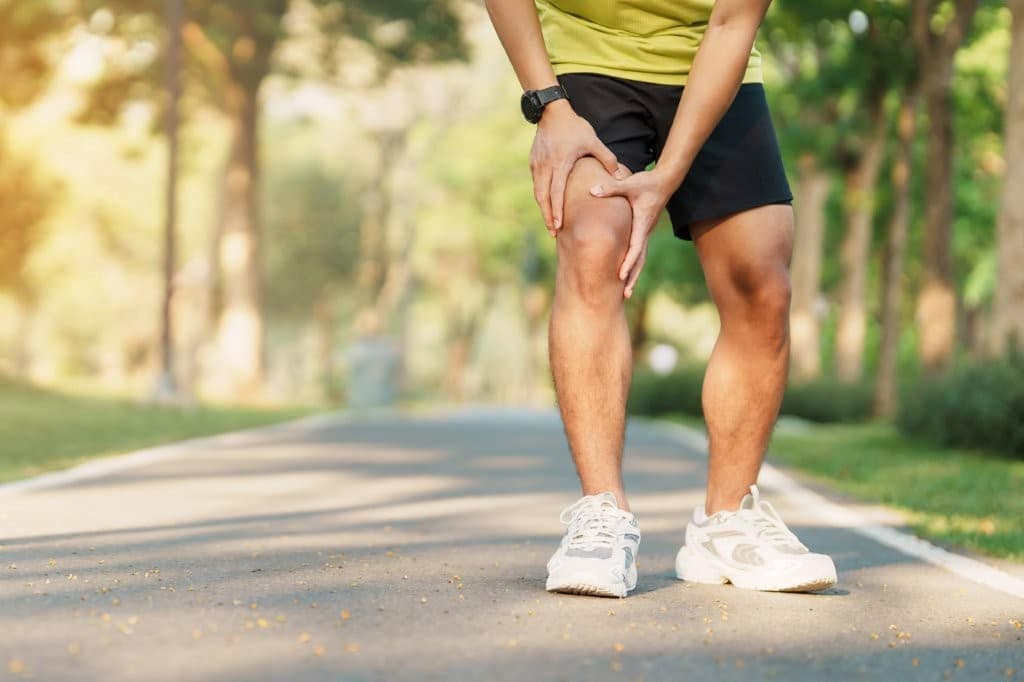
Your knee is one of the hardest-working joints in your body. Every step you take puts pressure on this complex joint. When something goes wrong, your pain can range from mild discomfort to severe limitations. The good news is that most knee pain responds well to conservative treatment.
Approximately 5% of all primary care visits are related to knee pain. Evaluation and Treatment of Knee Pain: A Review – PubMed This makes it one of the most common reasons people seek medical help. Your knee pain can happen suddenly from an injury or develop slowly over time.
Knee osteoarthritis is the result of wear and tear and progressive loss of articular cartilage. Knee Osteoarthritis – StatPearls – NCBI Bookshelf Think of your knee cartilage like a car’s brake pads. Over time, they wear down from use. When your cartilage breaks down, your bones can rub together. This creates pain, stiffness, and swelling.
Common clinical symptoms include knee pain that is gradual in onset and worse with activity, knee stiffness and swelling, pain after prolonged sitting or resting, and pain that worsens over time. Knee Osteoarthritis – StatPearls – NCBI Bookshelf Your pain might feel worse in the morning or after sitting for long periods.
Age, previous knee injuries, overweight, and knee-straining work were risk factors which contributed to the incidence of knee pain. A prospective study on knee pain and its risk factors – PubMed If you’re over 45, have had past knee injuries, or carry extra weight, your risk increases.
Did you know patellofemoral syndrome is one of the most common causes of anterior knee pain. Patellofemoral Syndrome – StatPearls – NCBI Bookshelf This condition creates pain around or behind your kneecap. Your pain typically gets worse when you climb stairs, squat, or sit for long periods.
The incidence in the United States is between 3% and 6%. Patellofemoral Pain Syndrome | AAFP If you’re active and under 40, you’re more likely to experience this type of knee pain. Studies have shown that up to two-thirds of patients can be successfully treated with a proper rehabilitation protocol. Patellofemoral Syndrome – StatPearls – NCBI Bookshelf
Your kneecap should glide smoothly over your thigh bone when you bend your knee. When something disrupts this movement, your pain begins. Weak hip or thigh muscles often contribute to this problem.
Your meniscus acts like a shock absorber in your knee. This C-shaped piece of cartilage cushions the joint during movement. Meniscal tears are among the most common causes of knee pain. Evaluation and Treatment of Knee Pain: A Review – PubMed
You can tear your meniscus from a sudden twist or from gradual wear over time. Degenerative tears are more common if you’re over 40. For degenerative meniscal tears, exercise therapy is first-line treatment; surgery is not indicated even in the presence of mechanical symptoms. Evaluation and Treatment of Knee Pain: A Review – PubMed
Your symptoms might include pain along the joint line, swelling, or a catching sensation. Sometimes your knee might lock or feel like it’s giving way.
Your knee relies on ligaments to provide stability during movement. The anterior cruciate ligament (ACL) and medial collateral ligament (MCL) are the most commonly injured. These injuries often happen during sports or sudden movements.
When your ligament tears, you might hear a pop. Your knee typically swells quickly and feels unstable. You may struggle to put weight on your injured leg.
Overweight, smoking, and previous knee injuries were significant predictors of incident knee pain. A prospective study on knee pain and its risk factors – PubMed Sometimes your knee pain develops gradually from repetitive activities. Running, jumping, or kneeling for long periods can overload your joint.
Chronic knee pain is defined as pain that persists or recurs over 3 months. 9. Chronic knee pain – Vanneste – 2025 – Pain Practice – Wiley Online Library When your pain lasts this long, your body needs help to heal. The longer you wait, the harder it becomes to recover fully.
Not all knee pain requires immediate medical attention. But certain warning signs mean your injury needs urgent evaluation. These red flags help you determine when to seek help right away.
Serious injuries cause a lot of swelling in the knee, especially in younger patients. The rapid onset of swelling in which it’s hard to see where your kneecap is, is a cardinal sign that there’s something serious that’s happened to your knee. How To Tell If a Knee Injury Is Serious—Yale Medicine Explains > News > Yale Medicine
If your knee swells significantly within 3-4 hours of injury, seek immediate care. This rapid swelling often indicates bleeding inside your joint. Your knee might look like a grapefruit.
When you can’t put weight on your leg, something serious has happened. The inability to bear weight or walk on the affected knee is a red flag. If you find yourself unable to stand or put pressure on your leg, it suggests a severe injury such as a fracture, dislocation, or major ligament tear. How to recognize the signs of a serious knee condition
Don’t try to push through this type of pain. Your body is telling you something is wrong.
Visible deformity, like a misshapen joint or an abnormal swelling pattern, suggests possible fractures or dislocation. How to recognize the signs of a serious knee condition If your knee looks different from your other knee, seek immediate help. Your kneecap might be dislocated or you might have a fracture.
Signs of infection around the joint include redness, warmth, and tenderness, especially if accompanied by fever or chills. How to recognize the signs of a serious knee condition Knee infections can be serious and need immediate treatment. Your knee might feel hot to touch and appear very red.
A knee that locks or cannot fully straighten or bend could be due to a torn meniscus or ligament, which might require surgical intervention. How to recognize the signs of a serious knee condition True locking means you physically cannot move your knee. This differs from stiffness, which improves with gentle movement.
Persistent or worsening pain that does not improve over days or weeks can be a sign of unresolved injury or ongoing inflammation requiring medical assessment. How to recognize the signs of a serious knee condition If your knee pain hasn’t improved after two weeks of rest, it’s time to see a healthcare provider.
When your knee pain comes from biomechanical problems, a comprehensive chiropractic approach can help. This means using multiple treatment methods together for better results. The goal is to address your pain while fixing the underlying movement problems.
Biomechanical pain means your knee hurts because of how your body moves. Your knee doesn’t work in isolation. Problems in your hip, ankle, or spine can affect your knee joint. Poor movement patterns create extra stress on your knee over time.
The biomechanics properties could be significantly affected by knee musculoskeletal or neurological disorders. Knee Joint Biomechanics in Physiological Conditions and How Pathologies Can Affect It: A Systematic Review – PMC When your chiropractor examines you, they look at your whole body, not just your knee. They check how you walk, stand, and move.
The use of soft tissue therapy in knee osteoarthritis patients has been shown to improve the biomechanics of the knee joint. Evaluating the Effectiveness of Soft Tissue Therapy in the Treatment of Disorders and Postoperative Conditions of the Knee Joint—A Systematic Review – PMC Soft tissue work includes massage, myofascial release, and instrument-assisted techniques. These methods help release tight muscles around your knee. Helping all knee conditions and injuries.
When your muscles are tight, they pull unevenly on your knee joint. This creates abnormal movement patterns and increases pain. Manual therapy techniques can decrease patients’ levels of pain and improve their functionality. The Efficacy of Manual Therapy in Patients with Knee Osteoarthritis: A Systematic Review – PMC
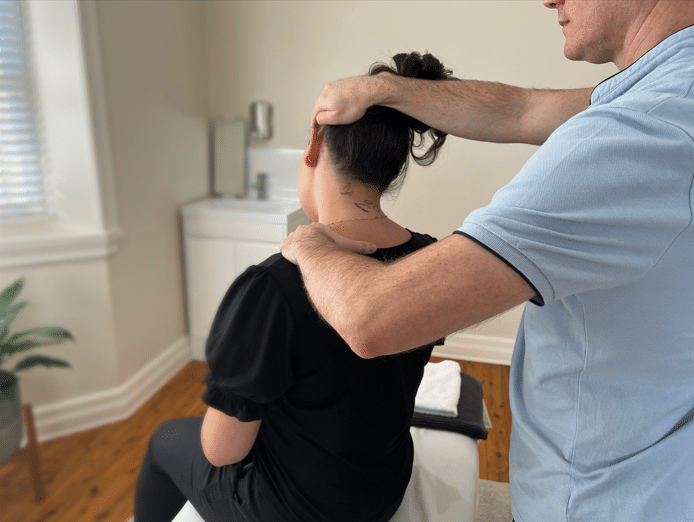
Your chiropractor might work on your quadriceps, hamstrings, calf muscles, and hip muscles. These tissues all connect to your knee joint. Releasing tension helps your knee move more freely.
Spinal manipulative therapy is an equally effective approach to reduce pain and disability in the short term when compared to other interventions, including exercise. Clinical Effectiveness and Efficacy of Chiropractic Spinal Manipulation for Spine Pain – PMC Chiropractic adjustments don’t just target your spine. Your chiropractor can also adjust your knee, hip, and ankle joints.
Joint adjustments help restore normal movement patterns. When your joints move properly, stress distributes evenly across your knee. This reduces pain and inflammation. The strongest evidence was found in support of multimodal approaches, such as the combination of spinal manipulation and exercise. Clinical Effectiveness and Efficacy of Chiropractic Spinal Manipulation for Spine Pain – PMC
First-line treatment consists of conservative management, with a focus on exercise, education, and self-management. Evaluation and Treatment of Knee Pain: A Review – PubMed Exercise is crucial for long-term knee pain relief. Your chiropractor prescribes specific exercises to strengthen weak muscles and improve your movement.
Exercise interventions provide superior outcomes in knee extensor strength. The role of muscle strengthening in exercise therapy for knee osteoarthritis: A systematic review and meta-regression analysis of randomized trials – PubMed Stronger muscles protect your knee joint. They absorb shock and provide stability during activities. Your exercise program might include:
Exercise training can effectively reduce pain and improve function in knee osteoarthritis patients. Frontiers | Benefits and Mechanisms of Exercise Training for Knee Osteoarthritis The key is consistency. Regular exercise helps your knee heal and prevents future problems.
The magic happens when you combine these approaches. The multimodal intervention including education, exercise, and manual therapy showed clinically significant improvement in pain and function. Multimodal non-surgical intervention for individuals with knee osteoarthritis: a retrospective case series – PMC
Here’s how it works: Soft tissue therapy releases muscle tension. Adjustments restore joint movement. Exercise builds strength and corrects movement patterns. Together, they address the root cause of your biomechanical knee pain.
Manual therapy found improvements in pain and physical function in the short- and long-term for patients with osteoarthritis. Management of knee and hip osteoarthritis: an opportunity for the Canadian chiropractic profession – PMC This comprehensive approach gives you the best chance of lasting relief.
When your knee hurts, your first instinct might be to stop moving. But prolonged rest can actually make your pain worse. Pain caused by knee osteoarthritis is predominantly nociceptive pain. (nociceptive pain results specifically from tissue damage, not nerve damage) 9. Chronic knee pain – Vanneste – 2025 – Pain Practice – Wiley Online Library. Basically, your nervous system becomes more sensitive when you avoid movement.
Studies have shown that gait retraining, by making a small adjustment to the angle of your foot while walking. Can provide pain relief equivalent to medication. Sometimes simple changes to how you move can significantly reduce your pain.
Your chiropractor teaches you how to move safely while managing your pain. Movement keeps your joint lubricated and maintains muscle strength. The right type of activity promotes healing rather than causing more damage.
Your knee pain doesn’t have to control your life. Understanding the causes helps you make informed decisions about your care. Most knee pain improves with conservative treatment, especially when you catch it early.
A multimodal chiropractic approach addresses your pain from multiple angles. Soft tissue therapy, adjustments, and exercise work together to restore normal function. This comprehensive method targets the underlying biomechanical problems causing your pain.
Remember the red flags that require immediate attention. Severe swelling, inability to bear weight, visible deformity, and signs of infection need urgent care. Don’t ignore these warning signs.
For other types of knee pain, starting with conservative care makes sense. Your chiropractor can assess your movement patterns and create a personalized treatment plan. With the right approach, you can get back to the activities you love.

Your knee pain can come from many sources including arthritis, meniscal tears, ligament injuries, or overuse. Most knee pain responds well to conservative treatment with a multimodal approach. Red flags like severe swelling within hours, inability to bear weight, visible deformity, or infection signs need immediate medical attention. Chiropractic care using soft tissue therapy, adjustments, and exercise effectively addresses biomechanical knee pain. This comprehensive approach improves joint movement, reduces muscle tension, and builds strength. Early intervention gives you the best chance for full recovery and return to normal activities.

Scott has more than 20 years of clinical experience as a movement expert and musculoskeletal health professional. His thorough understanding of how pain affects your spine, joints, muscles, and total well-being is the result of significant academic study and many many years of clinical experience. Scott’s real interest in movement mechanics enables him to develop individualised care plans that summarise complex problems into clear, simple treatments, leading to quicker healing times. His friendly, attentive approach ensures that you not only comprehend but also feel supported throughout your treatment journey, allowing you to return to the things you like with restored confidence and vitality.