- 02 9712 1736
- [email protected]
- 212 Great North Road, Five Dock, NSW 2046
- Open 7 days a week

Think of exercise like medicine prescribed by your doctor. Too little won’t help your pain get better. Too much can actually make your injury worse. Getting the right exercise dosage is crucial for your recovery. When you come to see us, we don’t just give you random exercises. We prescribe the exact amount your body needs to heal. This is what makes chiropractic care so effective for your musculoskeletal pain.

When your back hurts or your shoulder aches, you might think any exercise is good exercise. But here’s the truth: exercise is powerful medicine for your pain. And just like any medicine, the dosage matters enormously.
Your body responds to movement in predictable ways. Research shows that physical exercise is one of the safest treatments for chronic musculoskeletal pain. Unlike medications that can cause side effects, the right exercise dosage improves your pain naturally. It helps your body heal itself from the inside out.
Studies published in 2024 confirm that exercise works better than many pain medications. But here’s the catch: the amount matters just as much as the type. Think of it like baking a cake. Too little flour and it falls apart. Too much and it becomes dense and heavy. Your injury recovery works the same way.
Many people with chronic pain avoid movement altogether. You might worry that exercise will make your symptoms worse. This fear keeps you stuck in a painful cycle. When you don’t move enough, your muscles become weak. Your joints get stiff. Your pain actually increases over time.
Research from 2024 shows that physical inactivity makes musculoskeletal pain worse. Your body was designed to move. When movement stops, several things happen to your tissues. Your muscles lose strength by up to 3% per day of inactivity. Your joints become less flexible. Blood flow to your painful areas decreases significantly.
Under-prescribed exercise means your body doesn’t get the stimulus it needs. Your injury won’t improve as quickly as it could. You might feel frustrated when your symptoms persist for months. This is where correct exercise dosage becomes critical for your recovery.
Now let’s talk about the opposite problem. Can you do too much exercise when you’re injured? Absolutely yes. Over-prescription of exercise can increase your chance of new injuries.
A 2023 study in Sports Medicine found something important. When people exercise beyond their body’s capacity, problems develop. Your muscles don’t have time to repair themselves properly. Your joints experience excessive wear and tear. Inflammation in your tissues actually increases instead of decreasing.
Think about what happens when you overtrain. You start feeling more tired than usual. Your pain might spike after workouts instead of improving. You notice your performance declining rather than getting better. These are warning signs that your exercise dosage is too high.
Research shows that injury risk rises significantly with excessive physical activity. Your body needs recovery time between exercise sessions. Without adequate rest, your tissues can’t heal properly. This creates a vicious cycle of pain and injury.
When you visit our chiropractic clinic, we don’t guess about your exercise needs. We assess your specific injury and current fitness level carefully. Then we prescribe exercises with four key variables: type, intensity, frequency, and duration.
Studies from 2025 confirm that exercise prescription must be individualized. What works for someone else might not work for you. Your age, injury severity, and movement patterns all matter. We consider your lifestyle and daily activities too.
The type of exercise matters for your specific condition. If you have low back pain, we might prescribe core strengthening exercises. For shoulder pain, we focus on rotator cuff exercises. Each condition requires different movement patterns for optimal healing.
Intensity refers to how hard you work during each exercise. We might start you at 30-40% of your maximum effort. As your injury heals, we gradually increase this to 70-85%. This progressive approach ensures safe, effective recovery for your condition.
Frequency means how often you exercise each week. Research shows that 2-3 sessions per week works best for most injuries. This gives your body adequate time to recover between workouts. Your tissues need this rest period to repair and strengthen.
Duration involves both how long each session lasts and total program length. Most effective exercise sessions run 20-30 minutes. Your complete rehabilitation program might continue for 8-12 weeks. Consistency over time produces the best results for your pain.
Exercise alone isn’t always enough for your injury. This is where multimodal chiropractic care becomes powerful. We combine several proven treatments to help your body heal faster.
A 2025 study showed that combining manual therapy, adjustments, and exercise works better than any single treatment. Think of it like a three-legged stool. Remove one leg and the stool becomes unstable. All three treatments work together synergistically.
Chiropractic adjustments restore proper movement to your joints. When your joints move correctly, your pain decreases. Soft tissue therapy addresses muscle tension and trigger points. It increases blood flow to your injured areas. Exercise then strengthens your body and prevents future injuries.
Research confirms that this multimodal approach improves pain significantly. It also enhances your physical function and quality of life. Patients who receive combined treatment recover faster than those getting just one therapy.
Your exercise prescription isn’t set in stone forever. As your injury improves, your exercise dosage needs to change. This concept is called progressive overload in rehabilitation.
During the first weeks after your injury, you start with gentle movements. Your dosage might be just 10-15 minutes of light exercise. The goal here is maintaining movement without causing pain spikes. Think of this phase as preparing your body for harder work ahead.
As your pain decreases, we gradually increase your exercise dosage. The intensity goes up slightly. The duration extends a few minutes. Your frequency might increase from 2 to 3 times weekly. These small progressions add up to significant improvements over time.
Studies show that gradually increasing exercise dosage produces better outcomes. Your body adapts to each new challenge systematically. This prevents setbacks and reduces your risk of re-injury. It’s like climbing a ladder one rung at a time.
Many people make predictable mistakes with their exercise programs. Understanding these helps you avoid slowing down your own recovery.
The first mistake is doing too much too soon. You feel good one day and push hard. Then your pain flares up for the next three days. This inconsistent approach prevents steady progress. Your injury needs regular, measured stimulus to heal properly.
Another common error is stopping exercise once pain decreases. You feel better and abandon your program completely. But your body hasn’t finished healing yet. Stopping too early often leads to recurring pain problems. Complete rehabilitation takes time and patience.
Some people never progress their exercise dosage at all. They do the same light exercises for months without advancing. Your body adapts to exercise quickly. Without progressive challenges, your strength and function plateau. This leaves you vulnerable to re-injury in the future.
If you’ve had pain for more than three months, you have chronic pain. Your body processes exercise differently than someone with acute injury. Understanding this helps explain why dosage matters even more for your condition.
Chronic pain changes how your nervous system works. Your pain receptors become more sensitive over time. Your brain actually changes its structure in response to ongoing pain. This means your body might overreact to exercise initially.
Research from 2024 shows that people with chronic musculoskeletal pain benefit from multicomponent exercise. This means combining aerobic activity, strength training, flexibility work, and balance exercises. But the dosage must start lower than for acute injuries.
For your chronic pain, we might begin with just 5-10 minutes of gentle movement. This seems too easy, but it’s intentional. Your nervous system needs to learn that movement is safe again. As your confidence builds, we slowly increase your exercise dosage.
Studies confirm that gradual progression works best for chronic conditions. Rushing the process often causes pain flares and setbacks. Patience and consistency produce sustainable improvements in your symptoms.
As your chiropractor, prescribing the correct exercise dosage is one of our most important jobs. We don’t just hand you a generic exercise sheet. We create an individualized program designed specifically for your injury.
During your first visit, we assess your movement patterns thoroughly. We identify which movements cause your pain. We test your muscle strength and joint flexibility. This information guides your initial exercise prescription.
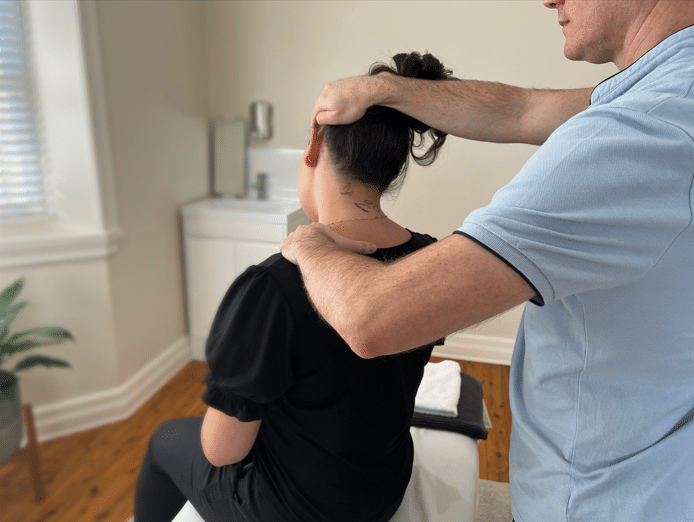
We combine chiropractic adjustments with your exercise program strategically. The adjustments restore proper joint mechanics. This makes your exercises more effective and less painful. Soft tissue therapy prepares your muscles for movement. It reduces tension and improves your flexibility.
Evidence shows that chiropractors who prescribe exercise see better patient outcomes. A 2024 review confirmed that multimodal chiropractic care including exercise helps musculoskeletal injuries significantly. This approach addresses your pain from multiple angles simultaneously.
We also teach you how to monitor your own symptoms. You learn to recognize when exercise dosage needs adjustment. If your pain increases for more than 2 hours after exercising, that’s too much. If you feel no challenge at all, it’s probably too little.
Exercise dosage isn’t just about recovering from your current injury. It’s also about preventing future problems. Research shows that appropriate exercise reduces your injury risk significantly.
A 2018 study found something remarkable about strength training. Every 10% increase in strength training volume reduced injury risk by over 4 percentage points. But this only works if the dosage stays within safe limits.
When you complete your rehabilitation program, we don’t just send you away. We transition you to a maintenance exercise program. This ongoing exercise keeps your body strong and resilient. Think of it as insurance against future pain.
Your maintenance dosage is typically lower than rehabilitation dosage. Maybe 2 sessions per week instead of 3. The intensity might be moderate rather than high. This sustainable approach fits into your busy life long-term.
Your body sends clear signals about whether your exercise dosage is appropriate. Learning to read these signals helps you recover faster.
Good signs include mild muscle soreness that resolves within 24 hours. You feel energized after exercise rather than exhausted. Your pain gradually decreases week by week. You notice improvements in your daily activities. These signals mean your exercise dosage is spot-on.
Warning signs tell you the dosage needs adjustment. Sharp pain during or after exercise is a red flag. Swelling that increases after your workout is concerning. Fatigue that lasts for days suggests overtraining. Sleep disturbances related to exercise indicate excessive dosage.
Pay attention to your movement quality as well. If your exercise form deteriorates during a session, you’re pushing too hard. Quality always matters more than quantity for your injury recovery.

Exercise dosage is the key to recovering from your musculoskeletal injury effectively. Too little exercise won’t stimulate healing properly. Too much exercise can cause new injuries and slow your progress. The right dosage, prescribed by your chiropractor, optimizes your recovery journey.
Multimodal chiropractic care combines adjustments, soft tissue therapy, and prescribed exercise perfectly. This comprehensive approach addresses your pain from multiple angles. Research confirms this strategy works better than single treatments alone. Your chiropractor has the expertise to prescribe the correct exercise dosage for your specific injury and progression.
Remember that exercise prescription is dynamic, not static. As your injury heals, your dosage evolves with your body’s capabilities. Trust the process, communicate with your chiropractor, and stay consistent with your program. Your body has an amazing capacity to heal when given the right stimulus at the right time.

Scott has more than 20 years of clinical experience as a movement expert and musculoskeletal health professional. His thorough understanding of how pain affects your spine, joints, muscles, and total well-being is the result of significant academic study and many many years of clinical experience. Scott’s real interest in movement mechanics enables him to develop individualised care plans that summarise complex problems into clear, simple treatments, leading to quicker healing times. His friendly, attentive approach ensures that you not only comprehend but also feel supported throughout your treatment journey, allowing you to return to the things you like with restored confidence and vitality.