Why your body moves differently during pregnancy
Your body changes fast during pregnancy. Your weight shifts forward as your baby grows. Hormones soften the ligaments around your pelvis and spine. These changes help your body prepare for birth. But they also change how you move and hold yourself.
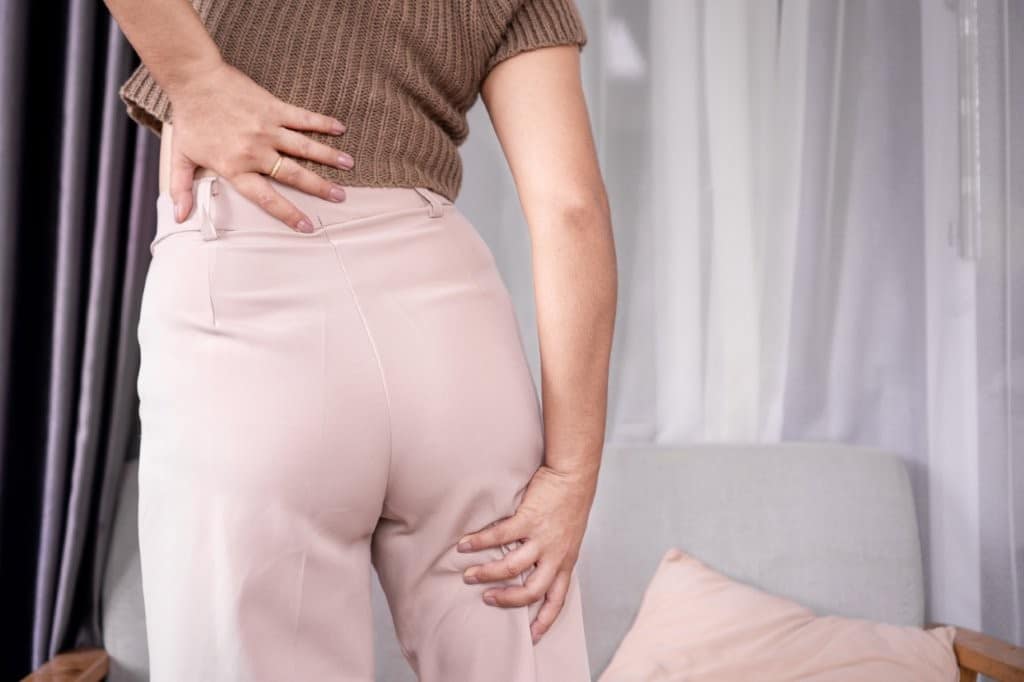
Your hips and lower back take on new load. The muscles around them work overtime to keep you upright. Some women feel sharp twinges near the hips or groin. This can come from ligaments stretching as your uterus grows.
One system affected is your proprioception. Proprioception is your body’s sense of where it is in space. It uses tiny sensors in your muscles, joints, and skin. These sensors tell your brain how your joints are positioned. You rely on them without ever thinking about it.
During pregnancy, this sense can become less reliable. Your centre of gravity moves. Your joints feel looser. Your brain has to work harder to keep you steady. We often see this show up as new stiffness or clumsiness. You might feel less sure on your feet than before.
The dull, achy pain you might notice
Pregnancy-related pain shows up in a few common ways. Some women feel a dull, achy pain low in the back. Others feel it across the pelvis or deep in the hips. Some feel it in more than one place at once.
This is extremely common. Research suggests up to 9 in 10 pregnant women experience back or pelvic pain. For many, it is their first real back pain ever. So if this is new for you, you are not alone.
The pain often links to muscle tightness and changed movement. When your pelvis works differently, nearby muscles pick up the slack. They can become tight, tired, and sore. That tightness can feed the achy pain you feel. It can also make simple tasks like rolling over feel hard.
Here’s what this means for you in practice. Your pain is real, but it usually is not a sign of damage. It reflects a body adapting under load. That reframe matters, because fear and tension can make pain feel worse.
Balance, proprioception, and why we test with your eyes closed
Your balance naturally shifts as pregnancy progresses. Studies show that pelvic pain can affect balance too. Women with pelvic girdle pain tend to sway more when standing. This effect grows in the second and third trimesters.
Part of the reason is that dip in proprioception. When position sense fades, your body leans more on your eyes. Vision helps fill the gap and keep you upright. This is why balance can feel harder in dim light or on uneven ground.
So we might ask you to balance with your eyes closed. This is not a trick. Closing your eyes removes the visual crutch. It lets us see how well your proprioception works on its own. That simple test tells us a lot about your stability.
Why does this matter beyond comfort? Falls are more common in pregnancy than many people expect. Around 1 in 4 pregnant women report a fall. Better balance and body awareness help lower that risk. So balance work is about safety, not just easing pain.
What chiropractic care can help with
Chiropractic care is one option many pregnant women choose. But it works best as part of a broader plan. The strongest evidence points to combining several approaches together. We call this a multimodal approach.
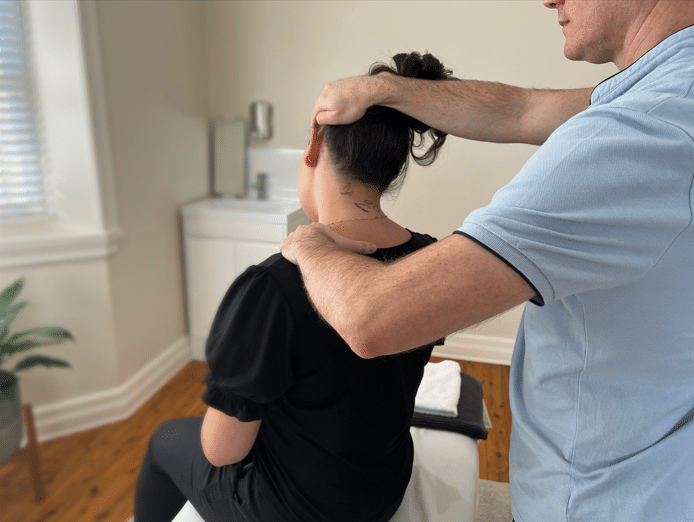
That usually blends three things. Soft tissue therapy helps ease muscle tightness and tension. Gentle spinal and pelvic adjustments aim to support better joint movement. Guided exercise builds strength and control where you need it. Together, these target both your comfort and how you move.
Let’s be honest about the evidence. A 2020 review of chiropractic care for pregnancy pain found favourable but limited results. The studies were often small or lower in quality. So we can say chiropractic care shows promise, and combined with more research it is an exciting future. Daily I see how chiropractic helps ease pain and improve mobility.
The evidence for exercise is stronger. A large 2019 review found exercise reduced pain severity in pregnancy. A 2024 review found exercise plus education beat education alone. This is why we rarely rely on hands-on treatment by itself. Movement is doing much of the heavy lifting.
A 2025 network analysis compared many non-drug options side by side. Manual therapy ranked well for improving physical function. Relaxation-based approaches ranked well for easing pain. No single method won on every measure. That is another reason we combine treatments thoughtfully.
Here’s what this means for you in practice. We assess how you move before choosing anything. We look at your pelvis, hips, and how you balance. Then we match treatment to what your body actually needs. The goal is steadier movement, less tightness, and more confidence.
Keeping your body moving
The single best thing you can do is keep moving. Gentle, regular movement usually helps more than rest alone. A large 2019 review found exercise eased pain severity in pregnancy. Movement keeps your joints supple and your muscles working.
You do not need intense workouts to benefit. Short walks, gentle stretches, and simple pelvic exercises all count. The aim is steady activity, not pushing through pain. A little movement, done often, beats the odd hard session.
Getting the right amount is personal, and this is where we can help. We match the type and level of movement to your stage. Then we adjust it gently as your body and needs change.
There may be a wider benefit too. In people with ongoing pain, movement seems to calm the stress response. This link is promising but still emerging, and not yet pregnancy-specific. So we treat it as a likely bonus, rather than a promise.
When to see a chiropractor
You do not have to push through pain alone. If back, hip, or pelvic pain is limiting you, get assessed. A chiropractor can check your movement and help rule out other injuries. We also work alongside your GP, midwife, or obstetrician.
Some symptoms need prompt medical review, not just hands-on care. Severe pain, pain with bleeding, or fever are examples. Sudden swelling or a big drop in your baby’s movements also count. When in doubt, contact your maternity care team first.
For everyday aches and stiffness, gentle care can make a real difference. The aim is not a quick fix or a cure. It is helping you move, rest, and cope better through pregnancy. Small gains in comfort and confidence add up over time.