- 02 9712 1736
- [email protected]
- 212 Great North Road, Five Dock, NSW 2046
- Open 7 days a week

Have you ever noticed how your pain seems to improve after gentle movement? You’re not imagining it. Modern research shows that movement truly can be your best medicine. But here’s the key – the right movement, guided by professionals, makes all the difference in your healing journey. Let me share with you what the latest science tells us about movement as medicine and why professional guidance is so important for your recovery.

Your body is designed to move. When you experience pain or injury, your natural instinct might be to rest completely. However, recent studies show that staying active with proper guidance helps your body heal faster and more effectively.
Exercise has been shown to alleviate depression and chronic pain through shared neurological pathways, particularly in the anterior cingulate cortex, which plays a critical role in emotional regulation and pain perception. This means when you move correctly, you’re not just helping your muscles and joints – you’re also supporting your mental health.
Think of movement as your body’s natural pain reliever. When you engage in appropriate exercise, your body releases endorphins, often called “feel-good” chemicals. These natural substances work like nature’s own pain medication, helping reduce your discomfort while improving your mood.
As your healthcare provider, I see firsthand how movement therapy transforms lives. Chronic pain affects approximately 20.5% of adults, and many of these individuals also experience depression or anxiety. Up to 60% of patients with chronic pain also experience depression, highlighting this comorbid dual diagnosis.
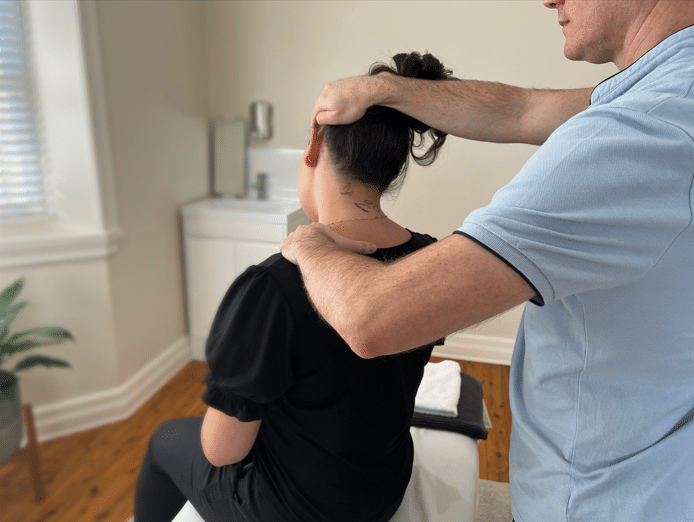
Your chiropractic care combines hands-on treatment with specific movement prescriptions. Manual therapy as an adjunct to exercise provides increased improvements in short-term pain, function and disability outcomes than exercise alone in the management of low back pain. This means when I adjust your spine and then guide you through specific movements, you get better results than either treatment alone.
Your brain creates what we call “movement memories” related to your pain. When you hurt yourself, your brain remembers which movements caused pain. Sometimes, even after your injury heals, your brain continues to protect you by creating pain signals when you attempt certain movements.
Exercise therapy for patients with chronic musculoskeletal pain is often hampered by such pain memories. Musculoskeletal therapists can alter pain memories in patients with chronic musculoskeletal pain, by integrating pain neuroscience education with exercise interventions.
This is where professional guidance becomes crucial. I help you understand that your pain doesn’t always mean damage. Together, we gradually retrain your brain to feel safe with movement again.
Recent research gives us incredible insights into how movement heals your body. Exercise training consistently leads to moderate to large reductions in pain. Moreover, exercise yields numerous benefits beyond pain alleviation, including small-to-moderate improvements in joint disability, quality of life, and physical function.
When you participate in guided exercise, several healing processes occur simultaneously:
Exercise may have specific benefits in reducing the severity of chronic pain, as well as more general benefits associated with improved overall physical and mental health, and physical functioning. Your nervous system plays a huge role in how you experience pain. Movement therapy helps calm overactive nerves and teaches your brain to process movement signals differently.
While movement is medicine, the wrong movement at the wrong time can slow your healing or even cause setbacks. This is why professional guidance is essential for your recovery.
Every person’s pain is unique. What works for your friend or family member might not be right for you. During your assessment, I evaluate:
Simply giving an individual advice to exercise is insufficient to bring about significant change, and a badly prescribed intervention that does not consider the individual’s conditions and present state of health and fitness may bring about adverse events such as pain ‘flare-ups’.
Professional guidance ensures you progress safely. I start with gentle movements that feel comfortable for your current condition. As your body adapts and strengthens, we gradually increase the challenge. This approach prevents setbacks and builds your confidence.
Just like medication, exercise needs the right “dose” to be effective. Too little won’t help your healing, while too much can cause flare-ups. Your exercise prescription includes:
Research consistently shows that combining chiropractic care with movement therapy produces superior results. After 12 weeks, about 57 percent of those who met with chiropractors and 48 percent who exercised reported at least a 75 percent reduction in pain, compared to 33 percent of the people in the medication group.
During your visits, we combine several approaches:
Chiropractic adjustments help restore proper joint function, which makes movement easier and less painful. When your joints move properly, your muscles can work more efficiently. This creates a positive cycle where better movement leads to less pain, which encourages more movement and faster healing.
Different types of movement offer different benefits for your healing. Programs that combine several of the various exercise modalities (aerobic, strengthening, flexibility, and balance), known as multicomponent exercise, can be more effective and better adapted to clinical conditions.
Gentle aerobic activities like walking, swimming, or cycling help improve your overall fitness while reducing pain. Aerobic exercise has been shown to reduce pain intensity and functional disability in patients with chronic lower back pain, especially when used in conjunction with other measures such as education and physiotherapy.
Start with just 10-15 minutes of gentle activity. As your endurance improves, you can gradually increase the duration and intensity.
Weakness in key muscle groups often contributes to your pain. Targeted strengthening exercises help build the support your joints need. Resistance training has been shown to lead to the development of healthy bone mass and muscular fitness.
We start with simple bodyweight exercises or light resistance. As you get stronger, we can progress to more challenging movements.
Tight muscles and stiff joints perpetuate your pain cycle. Gentle stretching and mobility exercises help restore your natural range of motion. These movements should never be forced or painful – they should feel like a gentle, comfortable stretch.
Every day, I see patients transform their lives through guided movement therapy. Here are some common patterns I observe:
Patients who saw a chiropractor as their initial provider for low back pain had 90% decreased odds of both early and long-term opioid use. This shows how effective conservative care with movement can be in avoiding stronger medications.
It’s natural to feel afraid of movement when you’re in pain. Your brain is trying to protect you, but sometimes this protection becomes overprotective. Part of my job is helping you feel safe with movement again. ,We begin by doing small movements within a range you feel comfortable. Slowly, slowly, as you build strength and flexibility, we expand your movements, and with time you will be surprised how well you can move.
Understanding Your Pain Signals
Not all pain means damage. Sometimes your nervous system becomes overly sensitive, creating pain signals even when no actual harm is occurring. Through education and gradual exposure to movement, we can help calm your nervous system. This will build your confidence in your body. Helping you to better understand your body.
We start with movements that feel completely safe for you. For example, sitting in a chair. As you experience success without increased pain, your confidence grows. From here we could progress to a lunge movement, which challenges your body slightly more. This positive experience teaches your brain that movement can be safe and beneficial.
The best exercise program is one you can stick with long-term. Even exercising below the limit recommended by public health is correlated with improvement. This means that any movement is better than no movement. The key is to find movement you enjoy and feel safe with.
To begin with home exercises are a great starting point. As you build confidence in your body, we can expand out into outdoor or gym-based activities. I’ll teach you simple exercises you can do at home. These don’t require special equipment or a lot of time. The key is consistency rather than intensity.
Your exercise program should fit your lifestyle, not take it over. We’ll find ways to incorporate healing movement into your daily routine:
While movement is beneficial for most conditions, there are times when rest is more appropriate. Professional guidance helps determine when to move and when to rest. If you have ant doubt, seek porfessional advice. You always want to reinforce to your nervous system the positive effects of exercise. Movement when you have an injury can send the wrong message to your brain. This will take time later to undo and slow down your progress to a happier, healthier life.
Seek immediate medical attention if you experience:
Your chiropractic care should complement your overall healthcare. I work closely with your other healthcare providers to ensure your treatment plan is safe and effective for your specific situation.
An increasing body of evidence suggests a positive role of chiropractic in the treatment of neuro-musculoskeletal disorders. Research continues to support the effectiveness of combining manual therapy with movement for pain relief.
The future looks bright for conservative, natural approaches to pain management. As we learn more about how the brain processes pain and how movement influences healing, treatment becomes more targeted and effective.
If you’re ready to explore movement as medicine for your pain, here’s how to begin:
Movement isn’t just exercise; it’s medicine for your body, mind, and spirit. When considering your health, exercise may be a cost-effective, beneficial, and overlooked methodology to reduce everything from chronic pain to anxiety or depression.
Remember, healing is not a straight line. There will be good days and challenging days. With proper guidance, patience, and consistency, movement can become your most powerful tool for managing pain and reclaiming your life.
The key is finding the right movement, at the right time, with the right guidance. That’s where your professional chiropractic team comes in. Together, we can help you discover how movement can be your best medicine.

Movement truly can be medicine when applied correctly with professional guidance. Research consistently shows that appropriate exercise reduces chronic pain, improves function, and enhances quality of life. However, the key lies in individualized assessment, proper progression, and ongoing professional support. Combining chiropractic care with movement therapy provides superior results compared to either treatment alone. Whether you’re dealing with chronic pain, recovering from injury, or simply wanting to prevent future problems, working with a qualified professional ensures your movement program is safe, effective, and tailored to your specific needs. Remember, any movement is better than no movement, but the right movement with expert guidance gives you the best chance for lasting improvement and pain relief.

Scott has more than 20 years of clinical experience as a movement expert and musculoskeletal health professional. His thorough understanding of how pain affects your spine, joints, muscles, and total well-being is the result of significant academic study and many many years of clinical experience. Scott’s real interest in movement mechanics enables him to develop individualised care plans that summarise complex problems into clear, simple treatments, leading to quicker healing times. His friendly, attentive approach ensures that you not only comprehend but also feel supported throughout your treatment journey, allowing you to return to the things you like with restored confidence and vitality.