- 02 9712 1736
- [email protected]
- 212 Great North Road, Five Dock, NSW 2046
- Open 7 days a week
Women’s bodies undergo extraordinary changes across a lifetime, from pregnancy and postpartum recovery to navigating chronic pain or simply the demands of daily life. These changes influence the spine, joints, and movement patterns in ways that may not always be obvious, but they can have a significant impact on comfort and wellbeing.
Encouragingly, research continues to highlight the potential benefits of chiropractic care as a supportive, non-pharmacological approach for many women’s health concerns. Let’s explore what the evidence tells us.
Pregnancy and postpartum: Strong evidence supports chiropractic as a safe, non-drug option to manage back and pelvic pain, with many women reporting lasting improvements.
Chronic pain: Many women find regular chiropractic care helps them manage pain, with emerging evidence on its effects on the nervous system.
Postpartum wellbeing: Addressing musculoskeletal issues may also support emotional health during recovery.
Menstrual pain: Results are mixed, but some women report benefits, and ongoing research is promising
Pregnancy is one of the most researched areas when it comes to chiropractic and women’s health. With hormonal changes, shifts in posture, and the extra load of a growing baby, it’s not surprising that most women—up to 86%—experience back or pelvic pain during pregnancy.
Encouragingly, studies show that many pregnant women who receive chiropractic care report meaningful improvements in pain and daily function—not just temporary relief, but benefits lasting into the postpartum period. Common approaches include gentle spinal adjustments, soft tissue care, and exercise guidance, all tailored to the safety of pregnancy care.
Women in Australian studies also reported that beyond physical relief, chiropractic support improved their confidence in moving through pregnancy comfortably.
The weeks and months after birth are a time of healing and adjustment. New research highlights how physical recovery and mental wellbeing are closely linked.
One 2025 study following women from pregnancy through six weeks postpartum found that addressing musculoskeletal pain through chiropractic care was associated with improvements in quality-of-life measures. For some women, it also correlated with better mood during this vulnerable time.
Chiropractic adjustments may influence the nervous system’s “rest and restore” response, which could help reduce stress, fatigue, and sleep issues, factors often tied to postpartum mood challenges.
Chronic back and neck pain is a common issue for many women, often affecting work, daily activities, and emotional health. Research suggests chiropractic care may be a supportive option here too.
Large studies show that women with chronic pain conditions who receive chiropractic care often report positive outcomes and an improved ability to manage symptoms long term. Interestingly, brain imaging studies also suggest that chiropractic adjustments may influence how the brain processes pain signals, potentially helping the body become more effective at regulating discomfort.
Menstrual pain, or dysmenorrhea, affects millions of women worldwide. Currently, the scientific evidence on chiropractic care for menstrual pain is mixed. Large-scale reviews suggest there’s no conclusive proof that spinal adjustments consistently reduce cramps.
That said, smaller pilot studies and individual case reports do show some women experience relief when chiropractic is combined with other natural, non-drug approaches such as soft tissue therapy, gentle movement, or heat. More research is needed, but early findings offer hope for women seeking natural ways to ease monthly discomfort.
Modern chiropractic care is about much more than “spinal adjustments.” An evidence-informed approach may include:
Movement assessment to identify inefficient or painful patterns
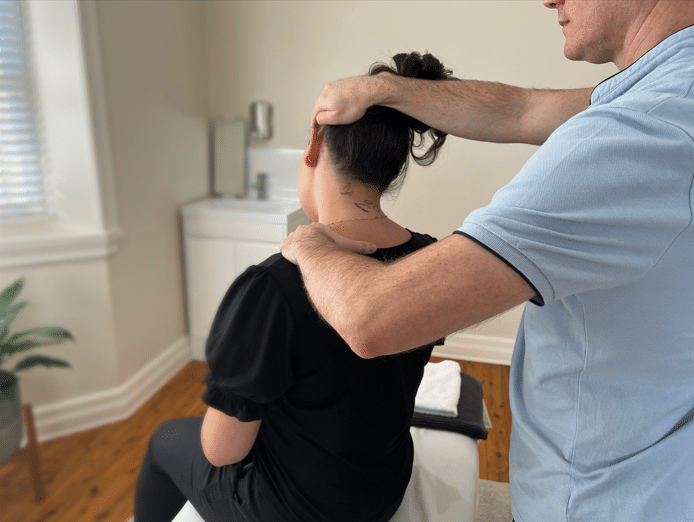
Hands-on therapies (spinal adjustments, joint mobilization, soft tissue release)
Exercise and self-care strategies tailored to your condition
Lifestyle advice on posture, lifting, and daily habits that support spinal health
Clinical guidelines consistently recommend spinal manipulation therapy as a safe and effective option for many cases of low back pain—both acute (sudden) and chronic.
When provided by a qualified practitioner, chiropractic is generally very safe. Research shows that serious complications are rare, and chiropractors are trained to adapt techniques to suit different life stages, including pregnancy and postpartum recovery.
Your chiropractor should also work alongside your broader healthcare team, especially during pregnancy, to ensure your care is well-coordinated and evidence-based.

Every woman’s health journey is unique. What research shows is that chiropractic care can be a valuable and supportive option for managing pain, restoring ease of movement, and improving overall wellbeing through life’s many transitions.
If you’re considering chiropractic care, start with a thorough consultation. A good chiropractor will listen carefully, assess your movement, and design a care plan that fits your needs, always respecting your choices and working in partnership with your healthcare team.
Your body already does incredible things. With the right support, you can move through every stage of life with greater comfort, confidence, and resilience.
Bishop, A., & Quon, J. A. (2011). The chiropractic management of pregnancy-related back pain: A systematic review. Journal of Manipulative and Physiological Therapeutics, 34(1), 37–44. https://doi.org/10.1016/j.jmpt.2010.11.004
Stuber, K. J., Smith, D. L., & Thomson, D. (2012). Chiropractic treatment of pregnancy-related low back pain: A systematic review of the evidence. Journal of Manipulative and Physiological Therapeutics, 35(8), 600–607. https://doi.org/10.1016/j.jmpt.2012.09.008
Peterson, C. K., Mühlemann, D., Humphreys, B. K., & Hodler, J. (2014). Outcomes from chiropractic care for low back pain during pregnancy and postpartum: A prospective cohort study with 1-year follow-up. Chiropractic & Manual Therapies, 22(1), 15. https://doi.org/10.1186/2045-709X-22-15
Close, C., Siassakos, D., & Docherty, G. (2016). Women’s experiences of chiropractic care in pregnancy: A qualitative study. Chiropractic & Manual Therapies, 24(1), 18. https://doi.org/10.1186/s12998-016-0102-8
Goertz, C. M., Salsbury, S. A., Vining, R. D., Long, C. R., Andresen, A. A., & Jones, M. E. (2018). Patient-reported outcomes after chiropractic care for low back and neck pain: A systematic review and meta-analysis. Journal of Manipulative and Physiological Therapeutics, 41(6), 455–472. https://doi.org/10.1016/j.jmpt.2018.05.002
Gay, C. W., Madson, T. J., & Côté, P. (2016). The effect of spinal manipulation on brain function: A systematic review of neuroimaging studies. Neuroplasticity, 2016, 3704964. https://doi.org/10.1155/2016/3704964
Hawk, C., Cambron, J. A., Vinjamury, S., Lisi, A. J., Evans, M. W., & Alcantara, J. (2010). Chiropractic care for nonmusculoskeletal conditions: A systematic review with implications for whole systems research. Journal of Alternative and Complementary Medicine, 16(6), 635–649. https://doi.org/10.1089/acm.2009.0046
Proctor, M., & Hing, W. (2009). Spinal manipulation for primary and secondary dysmenorrhoea. Cochrane Database of Systematic Reviews, 2009(2), CD002119. https://doi.org/10.1002/14651858.CD002119.pub3
Kokjohn, K., Schmid, D. M., Triano, J. J., & Brennan, P. C. (1992). The effects of spinal manipulation on pain and prostaglandin levels in women with primary dysmenorrhea. Journal of Manipulative and Physiological Therapeutics, 15(5), 279–285.
World Health Organization. (2019). WHO guidelines: Chronic pain in adults and the role of non-opioid care strategies. Geneva: WHO
Scott has more than 20 years of clinical experience as a movement expert and musculoskeletal health professional. His thorough understanding of how pain affects your spine, joints, muscles, and total well-being is the result of significant academic study and many many years of clinical experience. Scott’s real interest in movement mechanics enables him to develop individualised care plans that summarise complex problems into clear, simple treatments, leading to quicker healing times. His friendly, attentive approach ensures that you not only comprehend but also feel supported throughout your treatment journey, allowing you to return to the things you like with restored confidence and vitality.