Post: Neurological Signs Your Body May Be Sending You
Learn more about how your body works
Home » Blogs » Neurological Signs Your Body May Be Sending You
Introduction
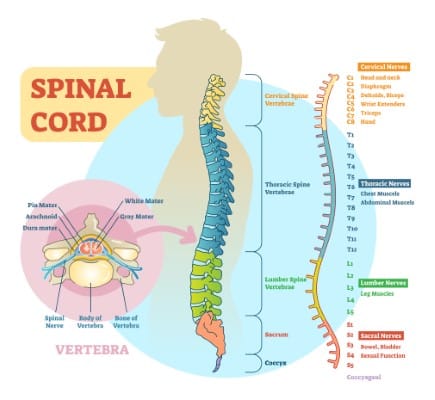
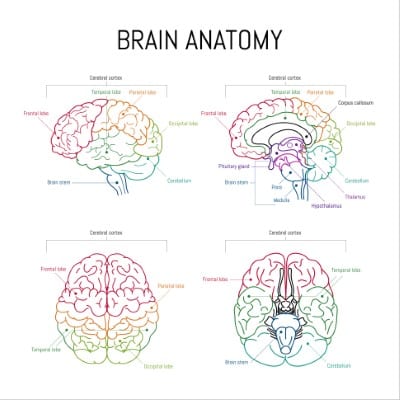
Your nervous system is constantly communicating with you through signals that are often dismissed as separate, unrelated issues. What many people don’t realize is that these seemingly random symptoms may actually be connected pieces of a larger neurological puzzle.
Key takeaways
Clusters of symptoms across different body systems often indicate underlying connections rather than isolated issues, suggesting the body is signaling imbalances that traditional testing may overlook.
Conventional medical tests are effective at ruling out serious disease but may miss functional neurological and systemic patterns, leaving patients without answers when results appear “normal.”
A chiropractic neurological assessment offers a whole-body perspective, examining how spinal alignment, nervous system function, posture, and biomechanics interact, which can uncover hidden patterns and provide insights for unresolved, recurring symptoms
Dizziness when turning your head or changing positions
Brain fog that coincides with neck stiffness
Sleep disturbances alongside shoulder tension
Hormonal symptoms that worsen with spinal discomfort
Fatigue that increases with certain postures or activities
When “Normal” Test Results Don’t Tell the Whole Story
You’ve been through the medical system. The MRI showed nothing concerning. Your hearing test was normal. Blood work came back fine. Your specialist concluded there’s nothing structurally wrong and suggested you learn to manage your symptoms.
But what if the answer lies in the connections between systems rather than in any single area?
Medical testing excels at identifying disease and serious pathology—which is crucial for ruling out dangerous conditions. However, these tests aren’t designed to detect functional neurological patterns or the subtle ways different body systems influence each other.
A Different Perspective
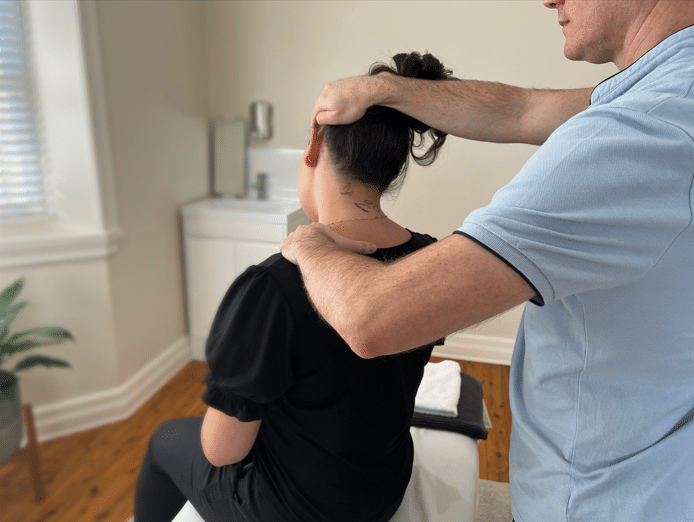
Neurological assessment from a chiropractic perspective examines how your spine, nervous system, and body mechanics work together as an integrated whole. Rather than looking at isolated symptoms, this approach investigates:
How spinal alignment affects nerve function
The relationship between jaw mechanics and headache patterns
Why digestive symptoms might connect to lower back tension
How postural patterns create cascading effects throughout your system
When to Consider a Comprehensive Neurological Evaluation
If you’re experiencing multiple signs from the list above, or if previous treatments have provided only temporary relief without addressing the underlying cause, a comprehensive neurological assessment might reveal patterns that have been missed.
This evaluation looks beyond individual symptoms, often providing answers for people who have been told “nothing is wrong” despite knowing something isn’t right.
Please do not hesitate to call for further discussion or book a comprehensive neurological assessment to discuss your specific symptom pattern so we can determine the most appropriate direction for your care.
Dr. Catherine Dao – Your Partner in Comprehensive Health and Healing Dr. Catherine Dao brings a unique blend of advanced expertise and genuine care to Five Dock Osteopathic and Chiropractic. With her Master’s in Chiropractic and specialized focus on neurology and pain management, Catherine takes a fresh, innovative approach to complex health challenges – looking beyond symptoms to find lasting solutions.
A Different Kind of Care Catherine understands that every patient’s journey is unique. Drawing on her background as a massage therapist and her deep knowledge of neuroscience, she creates personalized treatment plans that address the whole person, not just the problem.
Supporting Women’s Health at Every Stage As a female practitioner, Catherine offers a comfortable, understanding environment for women navigating health concerns. Whether you’re dealing with pregnancy support, fertility challenges, hormonal changes through menopause, pelvic health issues, or performance goals, she provides expert care with the empathy and insight that comes from truly understanding women’s health needs.
Evidence-Based Excellence Catherine’s commitment to staying at the forefront of her field means you’re receiving care based on the latest research and most effective techniques. She believes in empowering her patients with knowledge and working together toward your health goals.
Ready to experience the difference personalized, expert care can make? Book your consultation with Dr. Catherine Dao today and take the first step toward feeling your best.