Understanding Your Nervous System and Nerve Interference
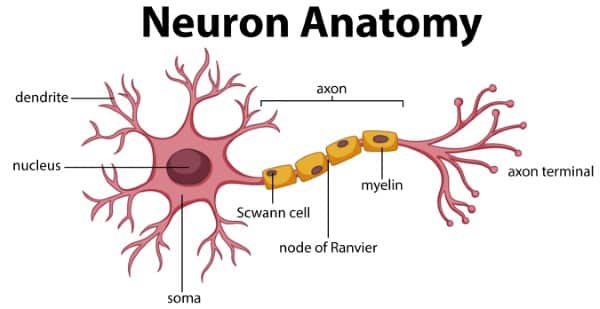
Your nervous system is like your body’s electrical wiring system. It carries messages between your brain and every part of your body. When this communication system works properly, your body can heal, adapt, and function at its best.
Nerve interference happens when something disrupts this vital communication. Think of it like static on a radio, the signal is still there, but it’s not coming through clearly. In your body, this interference can occur when joints don’t move properly, muscles become tight, or your spine loses its normal alignment.
Recent research shows that your spine houses your spinal cord, which acts as the main highway for nerve signals. When vertebrae in your spine become restricted or misaligned, they can create what chiropractors call subluxations. These subluxations can interfere with normal nerve function and affect how your body processes information.
How Nerve Interference Affects Your Movement and Pain
When nerve interference occurs, your body’s ability to coordinate movement becomes compromised. Studies using advanced brain imaging show that spinal dysfunction can alter how your brain processes sensory information from your spine and limbs.
Your movement patterns start to change when nerve interference is present. You might notice that simple activities become more difficult or that you compensate by using other muscles. This compensation can lead to overuse of certain muscle groups while others become weak and underused.
Pain is often your body’s way of signaling that something isn’t working correctly. When nerve interference affects your pain processing systems, you might experience chronic pain that seems to persist even after an injury has healed. Research demonstrates that spinal manipulation can influence how your brain processes pain signals, potentially reducing your pain perception.
The Connection Between Nerve Interference and Chronic Stress
Your nervous system doesn’t just control movement, it also manages your stress response. When nerve interference is present, it can affect your autonomic nervous system, which controls functions like your heart rate, breathing, and stress hormone production.
Chronic stress can create a cycle where nerve interference worsens, leading to more stress on your body. Studies have found that chiropractic care can influence stress hormone levels, particularly cortisol. When your spine functions better, your body may be better equipped to handle daily stressors.
Your stress response involves complex interactions between your brain, spinal cord, and nervous system. When nerve interference disrupts these pathways, your body might remain in a heightened state of stress, making it harder for you to relax and recover.
How Chiropractor Assessment Identifies Nerve Interference
When you visit a chiropractor, they use specific assessment techniques to identify areas of nerve interference. This process involves examining how your spine moves, checking for areas of tension or restriction, and evaluating your posture and movement patterns.
Modern chiropractic assessment goes beyond just looking at where your pain is located. Your chiropractor will examine your entire spine because nerve interference in one area can affect function throughout your body. They use their hands to feel for joint restrictions, muscle tension, and areas where your spine isn’t moving normally.
Research shows that chiropractors can identify specific patterns of dysfunction that may not be obvious through other testing methods. This hands-on approach allows them to detect subtle changes in joint function that could be contributing to your symptoms.
Chiropractic Adjustments and Their Effects on Your Nervous System
Chiropractic adjustments are precise movements applied to specific joints in your spine. These adjustments help restore normal joint movement and can have significant effects on your nervous system function.
When your chiropractor performs an adjustment, it stimulates special nerve receptors called mechanoreceptors in your joint capsules. These receptors send new information to your brain, which can help normalize nerve function and reduce interference.
Recent neurophysiological research demonstrates that chiropractic adjustments can create measurable changes in brain activity. Studies using brain imaging show that adjustments can influence areas of your brain responsible for pain processing, motor control, and sensory integration.
Your nervous system responds to chiropractic care through multiple mechanisms. Adjustments can affect nerve conduction, reduce muscle tension, and improve coordination between different parts of your nervous system.
Multimodal Chiropractic Approach: Addressing Chronic Pain Through Nervous System Effects
Modern chiropractic care often involves a multimodal approach that combines different treatment methods. This comprehensive strategy recognizes that nerve interference and chronic pain are complex issues that benefit from multiple interventions.
Soft tissue therapy is frequently used alongside chiropractic adjustments. Techniques like massage, trigger point therapy, and myofascial release can help reduce muscle tension that contributes to nerve interference. When your muscles are more relaxed, your nervous system can function more effectively.
Exercise prescription forms another crucial component of multimodal chiropractic care. Specific exercises can help retrain your movement patterns, strengthen weak muscles, and improve your body’s ability to maintain proper spinal alignment. Research shows that combining adjustments with exercise therapy often produces better outcomes than either approach alone.
This multimodal approach works by addressing nerve interference from multiple angles. While adjustments help restore joint function, soft tissue therapy reduces muscle-related interference, and exercises help maintain improvements over time.
The Stress-Reduction Benefits of Chiropractic Care
One of the most significant ways chiropractic care affects your nervous system is through stress reduction. When nerve interference is reduced, your body’s stress response systems can function more normally.
Studies have shown that chiropractic care can influence your autonomic nervous system, helping to balance the sympathetic (fight-or-flight) and parasympathetic (rest-and-digest) portions. This balance is crucial for your overall health and well-being.
Your stress hormone levels, particularly cortisol, may be positively influenced by chiropractic care. When your nervous system functions better, your body may be better able to regulate stress hormone production, leading to improved sleep, better mood, and enhanced overall health.
The stress-reduction effects of chiropractic care appear to work through multiple pathways. By improving spinal function, reducing pain, and enhancing nervous system communication, chiropractic care can help your body better adapt to daily stressors.
Long-term Benefits of Addressing Nerve Interference
Addressing nerve interference through chiropractic care can have lasting benefits for your health. When your nervous system functions optimally, your body’s natural healing processes work more effectively.
Many patients report improvements that extend beyond just pain relief. Better sleep quality, improved energy levels, and enhanced ability to handle stress are commonly reported benefits of addressing nerve interference.
The neuroplastic effects of chiropractic care mean that positive changes in your nervous system can persist over time. Research suggests that the benefits of improved sensorimotor integration can continue long after treatment ends.
Regular chiropractic care may help prevent the recurrence of nerve interference by maintaining optimal spinal function. This preventive approach can help you maintain better overall health and function throughout your life.