Post: Can you fix nystagmus? What you need to know

Learn more about how your body works

Introduction

Nystagmus originates from the Greek word meaning “nodding”. It is an involuntary, often rhythmic beating movement of the eyes that affects millions of people worldwide. While the condition can be concerning when first noticed, understanding what causes it and how it’s treated can help patients navigate their diagnosis with confidence.

The brain condition nystagmus is depicted as a drawing of the brain with the word nystagmus in the middle.

Key takeaways

  • Nystagmus is a sign of vestibular imbalance, not a disease itself – It’s an involuntary eye movement pattern that reveals an imbalance in the neural pathways connecting your inner ear to your brain’s eye movement centers. Understanding this helps reduce patient anxiety and guides appropriate treatment.
  • Most nystagmus has benign, treatable causes – BPPV (Benign Paroxysmal Positional Vertigo) is one of the most common causes and responds exceptionally well to specific repositioning treatments. Even chronic cases often achieve substantial improvement with proper vestibular rehabilitation.
  • Your neck can directly cause nystagmus – Emerging research shows that cervical dysfunction can trigger nystagmus through disrupted nerve signals. This explains why some patients experience eye movement problems after whiplash or with chronic neck issues, making chiropractic evaluation valuable.
Understanding how Nystagmus occurs

Nystagmus consists of two distinct phases:

Slow Phase: The eyes drift slowly in one direction

Fast Phase: The eyes quickly jump back to reset position

Nystagmus is classified according to the direction of the fast phase—for example, “right-beating nystagmus” means the fast corrective movement goes to the right.

What Causes Nystagmus?

Recent research confirms that nystagmus results from an imbalance in the activity of the vestibular pathways—the neural circuits that connect your inner ear balance organs to the parts of your brain that control eye movements.

Causes of Nystagmus: A Spectrum from Benign to Serious:

Benign Paroxysmal Positional Vertigo

This is one of the most common and treatable causes of nystagmus.

BPPV occurs when tiny calcium crystals (called canaliths or otoconia) in your inner ear become dislodged and move into the wrong part of your balance system. The resulting nystagmus is:

  • Brief (typically lasting less than a minute)
  • Triggered by specific head positions
  • Accompanied by spinning sensations
  • Highly responsive to treatment

Vestibular Neuritis

This condition involves inflammation of the vestibular nerve, often following a viral infection. Patients typically experience:

  • Sudden onset of severe vertigo
  • Persistent nystagmus that gradually improves
  • Difficulty with balance and walking
  • Nausea and vomiting

Recovery typically occurs over weeks to months as the brain compensates for the vestibular imbalance.

Cervicogenic Causes

Emerging research highlights the role of neck dysfunction in causing nystagmus. Studies show that:

  • Blocking cervical nerves with anaesthetic can trigger nystagmus
  • Vibration of neck muscles induces eye position changes in healthy individuals
  • Patients with whiplash injuries often develop abnormal eye movements

Multiple Sclerosis and Other Neurological Conditions

MS commonly affects the heavily myelinated medial longitudinal fasciculus (MLF)—a critical pathway connecting the vestibular system to eye movement control centres. This can cause:

  • Internuclear ophthalmoplegia (inability to move eyes together properly)
  • Persistent nystagmus
  • Double vision
  • Coordination problems


Red Flags: When to Seek Immediate Care

While many causes of nystagmus are benign, seek emergency medical attention if nystagmus is accompanied by:

  • Sudden, severe headache
  • Double vision that doesn’t resolve
  • Difficulty speaking or slurred speech
  • Weakness on one side of the body
  • Loss of coordination or severe imbalance
  • Changes in consciousness
  • Severe neck pain with headache

These symptoms could indicate stroke, brain haemorrhage, or other serious conditions requiring immediate intervention.

 Not All Nystagmus Signals Serious Pathology

While nystagmus should always be evaluated, it doesn’t always indicate a serious medical condition.

Nystagmus can even be induced temporarily in healthy people through:

  • Rapid rotation (like spinning in a chair)
  • Alcohol consumption
  • Certain medications
  • Extreme fatigue


Key Takeaways

  1. Nystagmus is a sign, not a disease – It indicates an imbalance in your vestibular pathways that requires investigation
  2. Many causes are benign and treatable – BPPV and other common causes respond well to specific interventions
  3. The cervical spine – Cervical dysfunction can directly cause or contribute to nystagmus and dizziness
  4. Early evaluation is important – Proper diagnosis ensures appropriate treatment and rules out serious conditions
  5. Rehabilitation works – Vestibular therapy can significantly improve function even in chronic cases
  6. Hope is warranted – Most people with nystagmus can achieve substantial improvement or complete resolution

Epley maneuver is performed with the help of a doctor.

Moving Forward with Confidence

If you’re experiencing nystagmus, remember that you’re not alone, and more importantly, you’re not without options. Whether your symptoms stem from inner ear crystals gone astray, neck dysfunction, or other causes, effective treatments exist. Most people achieve significant improvement or complete resolution with proper care.
The key is getting a thorough evaluation to identify the underlying cause. This ensures you receive the right treatment while ruling out any serious conditions. With today’s understanding of vestibular rehabilitation and manual therapy approaches, there’s every reason to be optimistic about your recovery.

If you’re experiencing unexplained eye movements, dizziness, or balance issues, we’re here to help you understand what’s happening and guide you toward appropriate care – whether that’s with our team or through referral to the right specialist.

Subscribe for our free health tips

About the Author

Dr Catherine Dao is a female chiropractor who has a special interest in pain and women's health. She is smiling at the camera and wearing a black top.

Dr Catherine Dao

Dr. Catherine Dao – Your Partner in Comprehensive Health and Healing Dr. Catherine Dao brings a unique blend of advanced expertise and genuine care to Five Dock Osteopathic and Chiropractic. With her Master’s in Chiropractic and specialized focus on neurology and pain management, Catherine takes a fresh, innovative approach to complex health challenges – looking beyond symptoms to find lasting solutions.

A Different Kind of Care Catherine understands that every patient’s journey is unique. Drawing on her background as a massage therapist and her deep knowledge of neuroscience, she creates personalized treatment plans that address the whole person, not just the problem.

Supporting Women’s Health at Every Stage As a female practitioner, Catherine offers a comfortable, understanding environment for women navigating health concerns. Whether you’re dealing with pregnancy support, fertility challenges, hormonal changes through menopause, pelvic health issues, or performance goals, she provides expert care with the empathy and insight that comes from truly understanding women’s health needs.

Evidence-Based Excellence Catherine’s commitment to staying at the forefront of her field means you’re receiving care based on the latest research and most effective techniques. She believes in empowering her patients with knowledge and working together toward your health goals.

Ready to experience the difference personalized, expert care can make? Book your consultation with Dr. Catherine Dao today and take the first step toward feeling your best.

Chiropractic
Learn about how chiropractic can help you
Osteopath
Learn about how osteopath can help you
Functional Exercise
Exercise can be fun and easy. One exercise can change alot
Massage
There are both relaxing and therapeutic benefits to massage
Health Span
How looking after yourself along the way pays off
Five Dock Osteo Chiro
A bit about how we can help you

Do You Want To Feel Better?

drop us a line and keep in touch

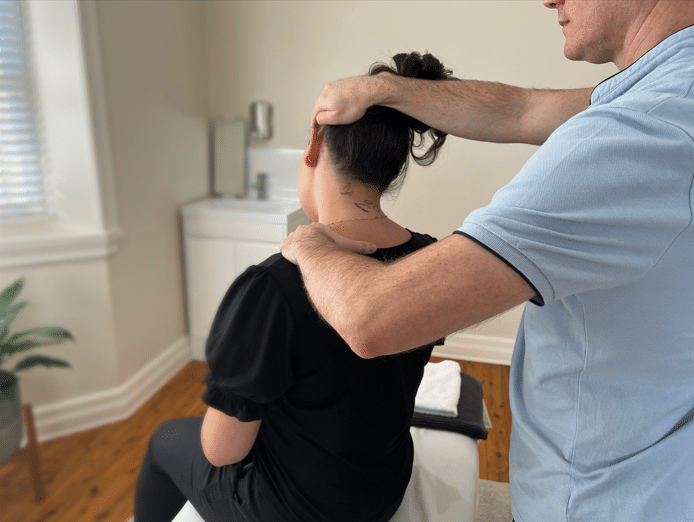
Five Dock Osteopathic and Chiropractic male chiropractor wearing a light blue shirt performing a stretch on the neck of a young female patient. The doctors right hand is placed on the head of the patient and the left hand on the shoulder of the female patient