Post: The Difference between Symptom Relief and Correction

Learn more about how your body works

Introduction

Have you ever noticed how some health problems seem to keep coming back, no matter how many times you treat them? You might get temporary relief, but weeks or months later, you’re dealing with the same issue all over again. This frustrating cycle points to an important distinction in healthcare: the difference between symptom relief and correction.

Dr Catherine Dao. Black and white picture of chiropractor sitting at desk.

Key takeaways

  • Symptom Relief vs. Root Cause Resolution Symptom relief provides temporary comfort by masking what you’re feeling, but it doesn’t address why the problem exists in the first place. This is why many people find themselves trapped in cycles where the same issues keep returning. Corrective care takes a different path by investigating the underlying dysfunction—whether that’s spinal mechanics, nerve interference, or movement patterns—and working to restore proper function at a fundamental level.

  • Your Nervous System Controls Everything Many persistent health problems aren’t just about where it hurts. When spinal dysfunction creates pressure on nerve roots, it can affect how your brain communicates with your entire body. This means thoracic spine issues might contribute to digestive problems, or cervical dysfunction could be behind recurring headaches. Understanding these neurological connections is essential for genuine, lasting improvement rather than just temporary symptom suppression.

  • Real Change Takes Time and Investment Correction requires patience because you’re retraining your body’s function, not just quieting symptoms. You might not feel dramatically different after one visit, but this approach offers something symptom relief cannot: the possibility of breaking free from the cycle of recurring problems. The question becomes whether you’re seeking a quick fix to get through today, or whether you’re ready to invest in addressing what’s actually going wrong.

Understanding Symptom Relief

Symptom relief does exactly what it says, it addresses the symptoms you’re experiencing RIGHT NOW. When you take pain medication for a headache, use anti-inflammatories for joint pain, or apply ice to reduce swelling, you’re pursuing symptom relief. These approaches can be valuable and sometimes necessary, particularly when you’re in acute discomfort.

However, symptom relief typically works by masking or temporarily reducing what you’re feeling without addressing why those symptoms developed in the first place. The underlying dysfunction remains untouched, which is why symptoms often return once the medication wears off or the treatment effect fades.

What Does Correction Actually Mean?

Correction takes a fundamentally different approach. Rather than simply reducing symptoms, corrective care aims to identify and address the underlying cause of your condition. This means asking deeper questions: Why is this symptom occurring? What dysfunction in the body is creating this response? What needs to change at a structural or neurological level for lasting improvement?

In our practice, correction often involves addressing how your spine and nervous system are functioning. When vertebrae lose their proper position or movement, they can create pressure on spinal nerve roots. These nerves carry signals between your brain and every part of your body, so interference at the spinal level can create problems far beyond just back pain.

The Neurological Connection

Consider how a spinal nerve root compression in your thoracic spine might affect digestive function, or how cervical spine dysfunction could contribute to recurring headaches or dizziness. These aren’t just musculoskeletal problems, they’re neurological issues that affect how your body communicates with itself.

Corrective care examines these neurological pathways. Through comprehensive functional assessment, orthopaedic testing, and neurological examination, we can potentially identify where dysfunction exists and develop a treatment approach that addresses the root cause rather than just quieting the alarm bells your body is sending.


Why This Matters for Your Health

When you only pursue symptom relief, you might feel better temporarily, but you’re not actually getting better. The underlying problem continues to develop, potentially worsening over time. You become dependent on ongoing symptom management rather than experiencing genuine healing.

Correction requires more patience. It takes time to restore proper function, retrain movement patterns, and allow your nervous system to adapt to improved spinal mechanics. You might not feel dramatically different after your first visit. But this approach offers something symptom relief cannot: the possibility of lasting change.

Finding the Right Balance

This isn’t to say that symptom relief has no place in healthcare. There are absolutely times when managing acute symptoms is appropriate and necessary. Severe pain can interfere with healing, and sometimes you need relief to function in your daily life.

The key is understanding what you’re pursuing and why. Are you looking for a quick fix to get through the day, or are you ready to invest in addressing the underlying problem? Both approaches have value, but they serve different purposes and produce different outcomes.

What This Looks Like in our Practice

In our initial consultation, we begin with a thorough health history, functional assessment, orthopaedic testing, and neurological examination. This comprehensive evaluation allows us to understand not just what hurts, but why it hurts and what needs to change for lasting improvement.

This approach recognises that the human body is complex, interconnected, and communicating through symptoms. Those symptoms deserve attention, but they also deserve investigation. What is your body trying to tell you? What has changed in how your spine and nervous system are functioning?

When to Seek Medical Referral

It’s important to note that not every condition is appropriate for chiropractic correction. Some symptoms indicate the need for medical evaluation and treatment. Part of comprehensive care involves recognising when referral to other healthcare providers is necessary and positioning chiropractic care as one component within a collaborative healthcare system.

Moving Forward

If you’ve been caught in a cycle of recurring symptoms despite ongoing treatment, it might be time to shift your focus from relief to correction. This doesn’t mean rejecting symptom management entirely, but rather asking deeper questions about what’s actually happening in your body and what needs to change at a fundamental level

Scoliosis Spine Curve Anatomy, Posture Correction. Chiropractic treatment, Back pain relief.

Summary

Understanding the difference between symptom relief and correction empowers you to make informed decisions about your health. While symptom management has its place, particularly for acute discomfort, lasting improvement requires addressing the underlying dysfunction in your spine and nervous system. If you’ve been experiencing recurring issues despite ongoing treatment, comprehensive assessment and corrective care might offer the pathway to genuine, lasting change. Your symptoms are your body’s way of communicating that something needs attention, the question is whether you’re ready to listen to the full message rather than just turning down the volume.

Subscribe for our free health tips

About the Author

Dr Catherine Dao is a female chiropractor who has a special interest in pain and women's health. She is smiling at the camera and wearing a black top.

Dr Catherine Dao

Dr. Catherine Dao – Your Partner in Comprehensive Health and Healing Dr. Catherine Dao brings a unique blend of advanced expertise and genuine care to Five Dock Osteopathic and Chiropractic. With her Master’s in Chiropractic and specialized focus on neurology and pain management, Catherine takes a fresh, innovative approach to complex health challenges – looking beyond symptoms to find lasting solutions.

A Different Kind of Care Catherine understands that every patient’s journey is unique. Drawing on her background as a massage therapist and her deep knowledge of neuroscience, she creates personalized treatment plans that address the whole person, not just the problem.

Supporting Women’s Health at Every Stage As a female practitioner, Catherine offers a comfortable, understanding environment for women navigating health concerns. Whether you’re dealing with pregnancy support, fertility challenges, hormonal changes through menopause, pelvic health issues, or performance goals, she provides expert care with the empathy and insight that comes from truly understanding women’s health needs.

Evidence-Based Excellence Catherine’s commitment to staying at the forefront of her field means you’re receiving care based on the latest research and most effective techniques. She believes in empowering her patients with knowledge and working together toward your health goals.

Ready to experience the difference personalized, expert care can make? Book your consultation with Dr. Catherine Dao today and take the first step toward feeling your best.

Chiropractic
Learn about how chiropractic can help you
Osteopath
Learn about how osteopath can help you
Functional Exercise
Exercise can be fun and easy. One exercise can change alot
Massage
There are both relaxing and therapeutic benefits to massage
Health Span
How looking after yourself along the way pays off
Five Dock Osteo Chiro
A bit about how we can help you

Do You Want To Feel Better?

drop us a line and keep in touch

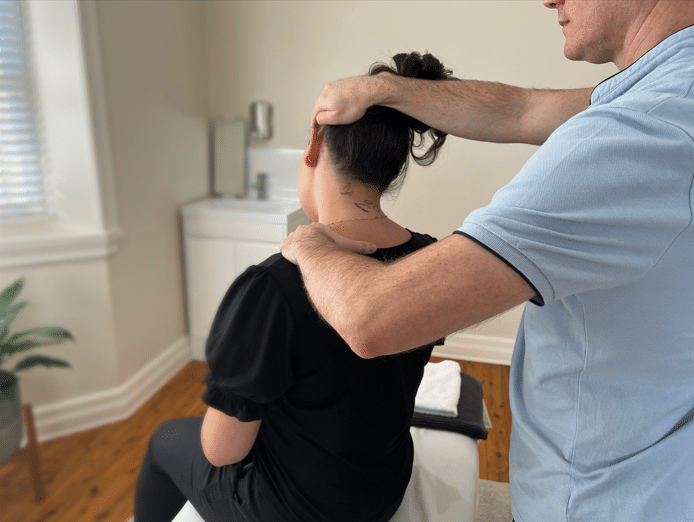
Five Dock Osteopathic and Chiropractic male chiropractor wearing a light blue shirt performing a stretch on the neck of a young female patient. The doctors right hand is placed on the head of the patient and the left hand on the shoulder of the female patient