Why Does Knee Pain Become More Common After 40?
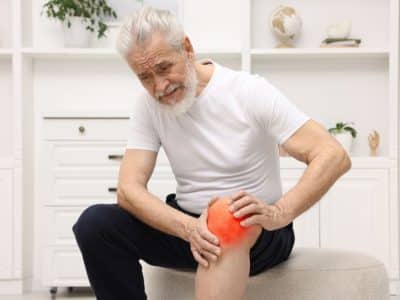
Your knees are load-bearing joints. With every step, they absorb forces several times your body weight. Over the decades, cartilage can gradually thin, muscles tend to lose strength, and joints can become stiffer, especially if we spend long hours sitting or have returned to sport after a break.
Our knees also don’t work alone. They depend on the hips above and the feet and ankles below. When one part of that chain isn’t moving well, the knee often takes the extra strain. That’s why the same knee pain can have very different causes from one person to the next.
Here are the seven most common ones.
1. Osteoarthritis
Osteoarthritis is the most widely recognised cause of knee pain in middle-aged and older adults. It involves gradual changes to the joint’s cartilage and surrounding structures, which can lead to stiffness, aching and sometimes mild swelling.
Typical signs include stiffness after rest (such as first thing in the morning), pain that builds with activity, and a grinding or creaking sensation. Osteoarthritis isn’t simply “wear and tear that can’t be helped”. Staying active, strengthening the muscles around the joint and improving movement control all play an important role in managing symptoms.
2. Patellofemoral Pain (Pain Around the Kneecap)
If your pain sits at the front of the knee and flares when climbing stairs, squatting, running or sitting for long periods, your kneecap may not be tracking smoothly. This is known as patellofemoral pain.
It often relates to how the hip, thigh and foot are working together rather than the kneecap itself. Weak hip muscles, tight quadriceps and changes in foot mechanics can all alter the forces through the joint.
3. Meniscus Irritation or Tears
The menisci are two C-shaped pieces of cartilage that cushion and stabilise the knee. They become less resilient with age, so they can be irritated or torn through a simple twist, such as pivoting during a game of netball or stepping awkwardly off a kerb.
Symptoms may include pain along the inside or outside of the joint, swelling, catching or clicking, and a sense that the knee “gives way” or occasionally locks. Not every meniscus change needs surgery, but a proper assessment helps determine the best way forward.
4. Tendon Overload (Tendinopathy)
Tendons connect muscle to bone, and they don’t always cope well with sudden increases in activity. Patellar tendinopathy (below the kneecap) and quadriceps tendinopathy (above it) are common in adults who start a new exercise routine, increase their running or return to sport after time off.
Tendon pain is usually felt in one specific spot and tends to be worse at the start of activity, easing slightly as you warm up, then aching afterwards. These problems generally respond well to a gradual, well-structured loading program rather than complete rest.
5. Ligament Strain or Sprain
The ligaments stabilise your knee from side to side and front to back. They can be strained during a fall, an awkward landing or a sudden change of direction. Even a mild sprain can leave the knee feeling sore, swollen or unstable for weeks.
If you’ve had a significant injury, such as a pop at the time, immediate swelling or difficulty putting weight on the leg, it’s important to have it assessed promptly.
Sometimes the knee is simply where you feel the problem, not where it starts. Stiff hips, an irritated lower back, or restricted ankle movement can all change how the load travels down the leg. Over time, the knee absorbs forces it wasn’t designed to handle alone.
This is where functional movement assessment is valuable. By looking at how you squat, step, balance and walk, a practitioner can spot the compensations that keep the pain returning, even after the sore spot has settled.
7. Muscle Weakness, Tightness and Everyday Lifestyle Load
Strong thigh, hip and calf muscles act like shock absorbers for the knee. When they’re weak or tight, perhaps from desk-based work, less activity or carrying extra load, the joint takes on more stress.
Everyday habits matter too. Long periods of sitting can stiffen the knees and hips, while sudden “weekend warrior” bursts of activity can overload tissues that haven’t been prepared for it. The encouraging part is that this cause is often highly modifiable with the right exercises and guidance.
When Should You Get Your Knee Checked?
Many knee problems improve with early, appropriate care, so there’s no need to wait until the pain is severe. Book an assessment if your knee pain:
-
- Has lasted more than a couple of weeks.
-
- Keeps coming back or is slowly getting worse.
-
- Interferes with walking, sleeping, work or exercise.
-
- Comes with stiffness, clicking or a feeling of instability.
Seek urgent medical attention if you have a hot, red and rapidly swollen knee, a fever, a knee that is locked or can’t bear weight, or pain following significant trauma.
What Does Effective Knee Pain Treatment Involve?
Good care doesn’t just chase the pain. It works out why the pain is there and gives you the tools to keep it from returning. At Five Dock Osteopathic & Chiropractic Centre, our approach to knee pain treatment in Five Dock follows a simple, practical pathway:
-
-
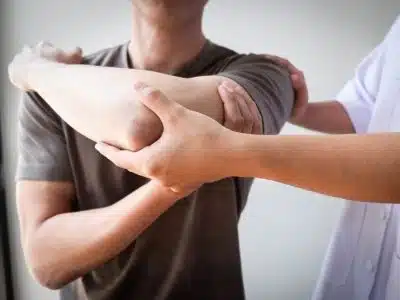
- A Thorough Assessment: We take the time to listen to your history, test how your knee, hip, back and foot move, and explain what we find in plain language.
-
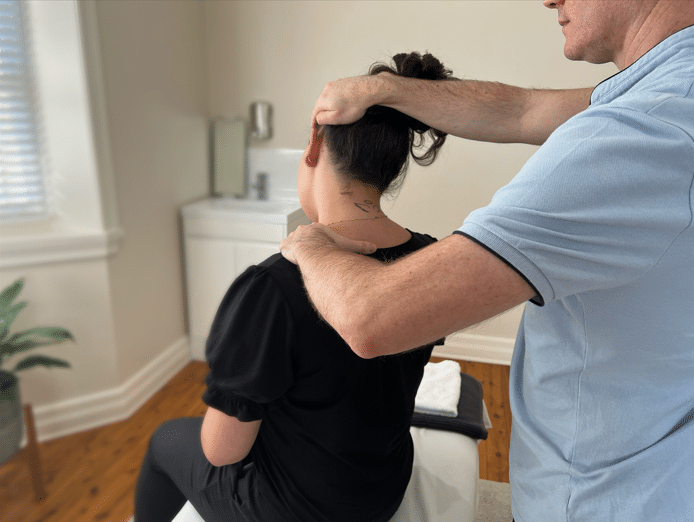
- Hands-on Care: Depending on your needs, this may include targeted massage, joint mobilisation and gentle adjustments to ease tension, improve joint movement and reduce discomfort.
-
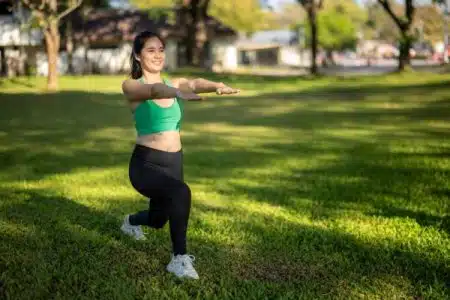
- Movement and Rehabilitation: Specific exercises restore strength, stability and control, so your knee can cope with the demands of daily life, work and sport.
-
- Self-management and Maintenance: You’ll learn what you can do between visits and how to keep your gains long term.
This combination of manual therapy, functional movement and rehabilitation means we’re addressing the contributing factors, not only the symptoms.
Simple Things You Can Do at Home
While you’re arranging an assessment, a few general strategies can help:
-
- Keep Moving Gently: Walking and low-impact activity often feel better than complete rest. Avoid anything that sharply aggravates your pain.
-
- Build Gradually: Increase exercise in small steps rather than large jumps.
-
- Strengthen your Support Team: Your thigh, hip and calf muscles help protect the knee.
-
- Choose Supportive Footwear: Worn-out shoes can change how forces travel up the leg.
-
- Break up Sitting: Stand and move every 30 to 60 minutes where possible.
These tips are general in nature, so an individual assessment is the best way to find what suits your knee.
Frequently Asked Questions
What is the best treatment for knee pain in adults over 40?
The best treatment depends on the cause. Most plans combine hands-on care, targeted strengthening, movement correction and activity guidance, rather than relying on rest alone.
Can a chiropractor or osteopath help with knee pain?
Yes. Chiropractors and osteopaths assess the whole movement chain, including the hip, lower back, ankle and foot, and use manual therapy and rehabilitation to help ease pain and restore function.
Should I rest a sore knee?
Short-term relative rest can help after a flare-up, but prolonged inactivity often leaves the joint stiffer and the muscles weaker. Gentle, guided movement is usually more helpful.
How long does knee pain take to improve?
It varies with the cause, how long you’ve had it and your overall health. Some people notice improvements within a few visits, while longer-standing issues may need a more gradual rehabilitation plan.