Understanding Your Pelvic Floor and Pain
Your pelvic floor is a complex group of muscles, nerves, and tissues that work together like a supportive basket beneath your pelvis. When something goes wrong with this system, your body sends pain signals through your nervous system to alert you that help is needed.
Recent research from 2024 reveals that pelvic floor dysfunction affects millions of women worldwide. A major study of 1,651 women found that 56% experienced urinary problems, 52% had pelvic organ issues, and 36% reported chronic pelvic pain. This isn’t just a number, it represents real people dealing with real discomfort that impacts their quality of life.
How Nerve Interference Creates Your Pain
Your nervous system acts like your body’s electrical wiring system. When there’s interference in this system, it’s like having a short circuit that disrupts normal function. Your pelvic floor muscles receive instructions from nerves that come from your lower spine, particularly from the T12 to S5 levels.
Think of it this way: if your spine is like a busy highway, nerve interference is like a traffic jam that prevents important messages from reaching your pelvic floor muscles. When these muscles don’t receive clear signals, they can become tense, weak, or painful.
Research from 2025 shows that nerve dysfunction in the pudendal nerve, which controls many pelvic floor functions, can lead to chronic pain that affects your ability to sit, exercise, or even sleep comfortably.
The Chronic Stress Connection
Your stress levels and pelvic pain are more connected than you might realize. When you experience chronic stress, your nervous system gets stuck in “high alert” mode. This constant state of tension affects your entire body, including your pelvic floor muscles.
A 2025 study on chronic stress and pain revealed that prolonged stress causes changes in your brain and nervous system that make you more sensitive to pain. It’s like turning up the volume on your body’s pain alarm system. Your pelvic floor muscles, already working hard to support your organs, become even more tense when stress hormones flood your system.
Chronic stress also affects your sleep, posture, and breathing patterns, all of which can worsen pelvic floor pain. When you’re stressed, you might hold your breath or tense your muscles without realizing it, creating a cycle where stress causes pain, and pain causes more stress.
Movement Patterns and Chronic Pain Development
Your body is designed to move in specific patterns, like a well-choreographed dance. When injury, stress, or poor habits disrupt these patterns, your pelvic floor can start to ache. Poor posture from sitting at a desk all day, for example, can alter how your pelvis sits, putting extra strain on your pelvic floor muscles.
Recent research indicates that movement dysfunction creates compensatory patterns throughout your body. If your hip muscles are tight or weak, your pelvic floor might overwork to compensate, leading to fatigue and pain. This is why your pelvic floor pain might actually stem from problems elsewhere in your body.
How Multimodal Chiropractic Care Addresses the Nervous System
A comprehensive chiropractic approach recognizes that your pelvic floor pain isn’t just about one area, it’s about how your entire nervous system functions. This approach combines several treatment methods to address both the symptoms and the root causes of your pain.
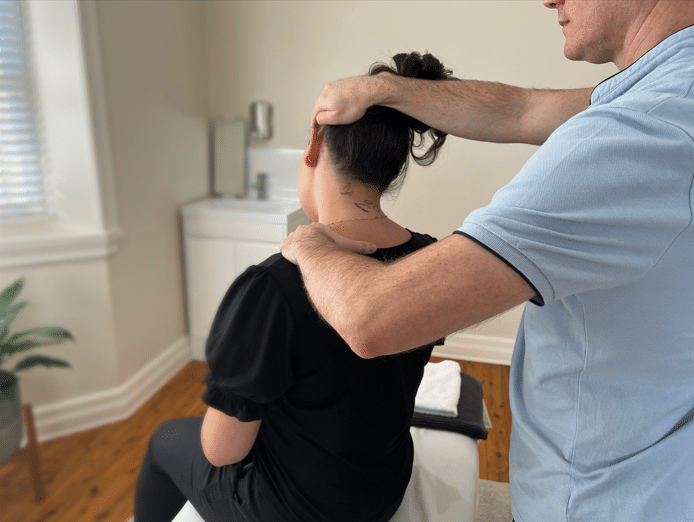
Chiropractic Adjustments and Nerve Function Gentle spinal adjustments help restore proper alignment and reduce interference in your nervous system. When your spine moves properly, the nerves that control your pelvic floor can function more effectively. Research shows that spinal manipulation affects the central nervous system’s ability to process pain signals, potentially reducing your discomfort.
Soft Tissue Therapy for Muscle Relief Tight muscles around your pelvis, hips, and lower back can contribute to pelvic floor dysfunction. Soft tissue techniques help relax these muscles, improve blood flow, and reduce inflammation. This allows your pelvic floor muscles to work more efficiently and with less pain.
Exercise for Long-term Improvement Specific exercises help retrain your movement patterns and strengthen the muscles that support your pelvic floor. This isn’t just about doing Kegel exercises, it’s about teaching your entire body to move in ways that support pelvic health.
Stress Reduction Through Nervous System Care When your spine functions properly and your muscles are relaxed, your nervous system can shift out of “stress mode” and into “healing mode.” This helps break the cycle of stress and pain that keeps your pelvic floor problems persistent.
The Science Behind Nervous System Healing
Your nervous system has an amazing ability to heal and adapt, called neuroplasticity. Research from 2024 shows that when you address nerve interference and reduce stress on your system, your brain can actually rewire itself to process pain differently.
This means that with the right care, your hypersensitive pain responses can calm down. Your nervous system can learn to interpret sensations from your pelvic floor more accurately, reducing false pain alarms that make you hurt even when there’s no real tissue damage.
When Chronic Pain Becomes a Pattern
Chronic pelvic pain can create changes in your brain that make you more sensitive to all types of discomfort. It’s like your pain alarm system gets stuck on “high volume.” Research shows that this hypersensitivity isn’t just in your head, it’s a real change in how your nervous system processes information.
The good news is that these changes can be reversed. With proper care that addresses both the physical and nervous system components of your pain, many people experience significant improvement in their symptoms and overall quality of life.
Your Path Forward
Understanding why your pelvic floor aches is empowering because it shows you that there are real, evidence-based solutions available. Your pain isn’t something you have to accept as normal or live with forever. With a comprehensive approach that addresses nerve function, stress, movement patterns, and the underlying causes of your discomfort, you can work towards lasting relief.
Remember, healing takes time, and everyone’s journey is different. The important thing is taking that first step toward understanding your body and getting the care you deserve.