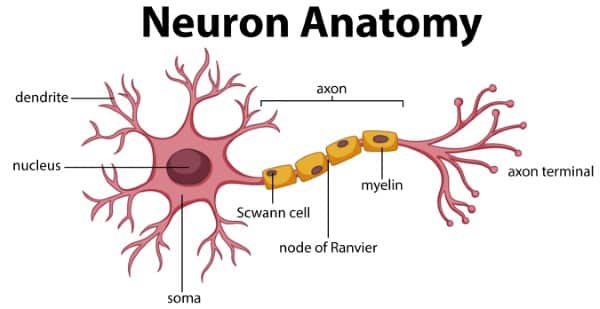
Your Communication System
Your nervous system acts as your body’s alarm system. When something isn’t functioning optimally, your body sends signals, often subtle ones at first. These early warning signs are your opportunity to address problems before they establish themselves as long-term patterns.
A simple analogy of this concept: A check engine light in your car doesn’t mean your engine has failed. It’s an early indicator that something needs attention. Your body works similarly.
Common Early Warning Signs People Ignore
Here is a list of signs that you should NOT ignore:
Intermittent Pain or Stiffness
Does your neck feel tight only on certain days? Does your lower back ache after sitting at your desk, but feel fine by evening? These occasional symptoms often get dismissed as “just stress” or “getting older.” But intermittent discomfort is frequently the first sign that your spinal joints aren’t moving properly or that certain muscles are compensating for dysfunction elsewhere.
Changes in Sleep Quality
Waking up feeling unrested, difficulty finding a comfortable sleeping position, or increased tossing and turning can indicate emerging musculoskeletal issues. Sleep is known to be the most important period for deep physical and mental repair and recovery. When spinal dysfunction interferes with nervous system function, it can disrupt this essential process.
Digestive Irregularities
Occasional bloating, constipation, or digestive discomfort might seem unrelated to your spine, but the nerves that control your digestive organs exit from specific levels of your thoracic and lumbar spine. Early changes in digestive patterns can signal nerve interference that, if left unaddressed, may contribute to more persistent problems.
Headaches That Follow Patterns
Headaches that occur at specific times of day, after certain activities, or in particular positions often have a musculoskeletal component. While not all headaches originate from spinal dysfunction, many do—and catching this connection early can prevent the development of chronic headache patterns.
Reduced Range of Motion
Can you turn your head as far as you used to? Does bending forward to tie your shoes feel slightly more restricted? These subtle changes in mobility are significant early indicators. Your body compensates remarkably well, which means by the time you notice restricted movement, changes have likely been developing for some time.
Unexplained Fatigue
Chronic fatigue has many potential causes, some requiring medical investigation. However, when your nervous system is under constant stress from spinal dysfunction, your body expends extra energy compensating and managing dysfunction. This can manifest as persistent tiredness that doesn’t improve with rest.
Being proactive with your symptoms matters
The earlier you address dysfunction, the easier it is to correct. Fresh injuries and new patterns haven’t yet created the compensatory changes that make chronic conditions complex to treat.
When spinal joints lose proper mobility, surrounding muscles tighten to protect the area. Over time, these muscles develop trigger points and altered firing patterns. Nearby joints begin moving excessively to compensate. Your body adapts to these changes, essentially “accepting” them as the new normal. This is how acute problems become chronic conditions.
Early intervention interrupts this cascade before it becomes established!
What to Do When You Notice Warning Signs
Pay Attention to Patterns
Start noticing when symptoms occur. Is there a specific activity, time of day, or position that triggers discomfort? This information is valuable for identifying the underlying cause.
Don’t Wait for Pain to Worsen
Many people assume they should only seek care when pain becomes severe or constant. But addressing dysfunction before it reaches that point makes treatment simpler and more effective.
Seek Appropriate Assessment
A comprehensive neuromusculoskeletal evaluation can identify dysfunction before it progresses. This includes examining how your spine moves, testing neurological function, and assessing how different body systems are working together.
For symptoms that might indicate medical conditions, such as unexplained weight changes, fever, night sweats, or progressive neurological symptoms, appropriate medical evaluation is essential.
The Importance of Prevention
Your body is resilient and adaptive, which is both a blessing and a challenge. It can compensate for dysfunction remarkably well, but this compensation comes at a cost. The longer compensatory patterns exist, the more ingrained they become.
Recognising early warning signs and addressing them promptly is important in developing awareness of your body’s communication system and responding to persistent or patterned signals before they develop into chronic problems.
Your body is always communicating.
The question is: are you listening